
Product reviews / Blowout brushes
6 Blow-Dryer Brushes for Fine Hair: Reviews
Fine strands benefit from a routine that creates lift without repeatedly heating the same small area. A smaller round head gives more deliberate root shaping, while a large oval may smooth too much if you pull every section flat.

As an Amazon Associate I earn from qualifying purchases, at no extra cost to you. Affiliate disclosure

Short layers and roots
THE SHORTLIST
Our six picks at a glance
Prioritize controllable lift and a usable lower mode over a large head or maximum power.
Short layers and roots
Revlon One-Step Root Booster
Short layers and roots.
Round-head root shaping

AIMIKE HyperFlow 1.7-inch
Round-head root shaping.
Medium-size blowout
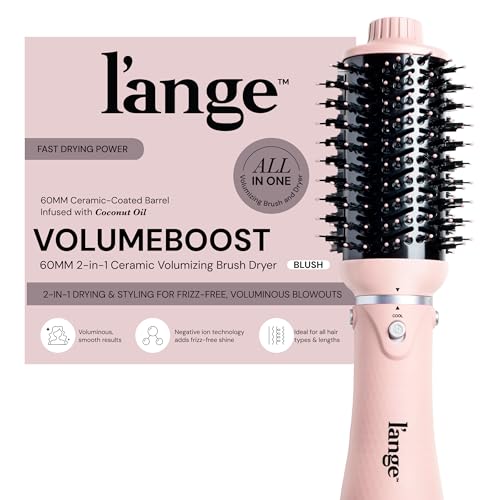
L’ange VolumeBoost 60mm
Medium-size blowout.
Linked-mode blowouts

TYMO Oval Dryer Brush
Linked-mode blowouts.
Simple oval finishing

Umeely Oval Dryer Brush
Simple oval finishing.
Fuller oval finish

Drybar Double Shot
Fuller oval finish.
THE EDITOR'S TAKE
Prioritize controllable lift and a usable lower mode over a large head or maximum power
Fine strands benefit from a routine that creates lift without repeatedly heating the same small area. A smaller round head gives more deliberate root shaping, while a large oval may smooth too much if you pull every section flat. Evaluate the available lower modes and how easily you can keep the head moving.
Use a lightweight amount of preparation product and separate the crown from the lengths. Lift the root area gently without pressing the barrel into the scalp, then move through the ends. Stop once the section is dry and shaped; a cool finishing mode can be more useful than another hot pass.
A CLOSER LOOK
The full product reviews
Short layers and roots
Revlon One-Step Root Booster
Root Booster has a smaller round head than Revlon’s original oval Volumizer.
Root Booster has a smaller round head than Revlon’s original oval Volumizer.
Setting up the section
Place the 1.5-inch round head under a chin-length or medium layer and choose low, high or cool for that stage. A partial turn creates root lift or an end curve without winding the entire strand. For the fringe, change the brush angle separately from the sides so its smaller barrel can guide the bend instead of pulling the whole front flat.
A round head for the pieces that lose lift
That allows more deliberate placement under a fringe or a shorter layer, where the aim is lift and a rounded bend. Its three modes keep controls simple, although linked heat and airflow offer less fine adjustment than independently selectable settings.
The Root Booster earns its place through access, especially where an oversized oval cannot sit comfortably under a shorter crown layer. Lift the section away from the scalp, guide it over part of the round head, and release without rolling all the way toward the roots. That creates room to position the hair while avoiding a tightly wound lock. The fringe and the sides can need different brush angles even when both use the same mode.
The small head trades coverage for placement. On long fine hair, you may prefer a broad oval through the lower lengths and keep this tool for shorter layers. Its low, high and cool choices do not provide independent heat and speed switches, so decide whether those combinations fit your routine. It is most appealing when fine hair has enough length for a rounded bend but your usual brush feels too large near the front.
Cleaning and storage
Remove strands wrapped around the round head and keep the airflow openings clear; a smaller barrel can accumulate long hairs quickly.
What stands out
- 1.5-inch round dryer brush
- Low, high and cool modes
- Useful for short layers and roots
The trade-offs
- A small round head covers less hair and can over-wrap long ends if rotated too far.
Our verdict Its low, high and cool choices do not provide independent heat and speed switches, so decide whether those combinations fit your routine. It is most appealing when fine hair has enough length for a rounded bend but your usual brush feels too large near the front.
Using it in your routine
Place the 1.5-inch round head under a chin-length or medium layer and choose low, high or cool for that stage. A partial turn creates root lift or an end curve without winding the entire strand. For the fringe, change the brush angle separately from the sides so its smaller barrel can guide the bend instead of pulling the whole front flat.
Consider another option if: A small round head covers less hair and can over-wrap long ends if rotated too far.
Round-head root shaping
AIMIKE HyperFlow 1.7-inch
AIMIKE uses a 1.7-inch round head with a detachable design, giving a smaller working shape than a broad oval brush.
AIMIKE uses a 1.7-inch round head with a detachable design, giving a smaller working shape than a broad oval brush.
Setting up the section
The 1.7-inch round head fits a deliberate root-and-end shaping sequence on medium-to-long hair. Remove the head only as directed when using the body for preliminary drying, then attach it for a controlled bend. A very short nape piece may not wrap enough of the head, so judge by that strand rather than the longer crown.
Separating preliminary drying from shaping
The head fits a routine centered on root placement and a rounded bend through medium-to-long hair. Its eight-minute and percentage heat-reduction claims should not be treated as observed results; useful airflow access and gentle section handling are the relevant decisions.
The detachable AIMIKE head makes sense when the drying stage and the root-shaping stage should be separate jobs. Follow the supplied attachment instructions and leave the head off only in the approved drying configuration. Once the prepared strand is ready for shaping, the 1.7-inch round head gives more curl around the ends than a broad flat oval. Do not keep turning it deeper into the section simply because a fine strand wraps easily.
Compare the head with the shortest layer you actually style. Medium lengths may sit neatly around its curve while a close nape remains too short to grip. The detachable design is the useful distinction, not the advertised time savings. It adds an attachment joint to check and another part to keep clean, making it a better fit for a deliberate two-stage blowout than someone who wants a single fixed brush and no changes.
Cleaning and storage
Clear the detachable head before reconnecting it and inspect the coupling and intake so airflow is not obstructed.
What stands out
- 1.7-inch round dryer brush
- Detachable brush head
- Useful for round-head root shaping
The trade-offs
- The brand describes medium-to-long hair use; very short layers may not wrap comfortably.
Our verdict The detachable design is the useful distinction, not the advertised time savings. It adds an attachment joint to check and another part to keep clean, making it a better fit for a deliberate two-stage blowout than someone who wants a single fixed brush and no changes.
Using it in your routine
The 1.7-inch round head fits a deliberate root-and-end shaping sequence on medium-to-long hair. Remove the head only as directed when using the body for preliminary drying, then attach it for a controlled bend. A very short nape piece may not wrap enough of the head, so judge by that strand rather than the longer crown.
Consider another option if: The brand describes medium-to-long hair use; very short layers may not wrap comfortably.
Medium-size blowout
L’ange VolumeBoost 60mm
VolumeBoost uses a 60mm ceramic-coated head for drying and shaping together.
VolumeBoost uses a 60mm ceramic-coated head for drying and shaping together.
Setting up the section
Use the 60mm ceramic head for a medium-scale blowout bend rather than a tight ringlet. Keep the section thin enough for airflow to reach through it and lift the crown with a light under-brush movement. The smaller oval gives more placement room than a very large head, but still needs enough strand length around its curved edge.
A medium oval for a rounded blowout
The size fits a middle ground between a narrow fringe tool and a large long-hair oval. Its useful role is a rounded blowout with room for lift, rather than the compressed finish of a flat iron or the definition of a diffuser.
The 60mm VolumeBoost sits between a compact root brush and a large long-hair oval. Use the flatter face to guide a thin ribbon through its length, then the edge for the final bend. For fine hair, the section should lift off the head before moving down; dragging everything downward can make a neat blowout look flatter at the crown. Release the rounded tip once it has the shape you want rather than holding it on the head while choosing the next section.
The ceramic-coated format is suited to a blowout outline, not maintaining separated natural curls. If definition is your goal, a diffuser addresses a different job. The purchase is strongest when a narrow round brush feels too small for the middle lengths but a large oval crowds the fringe. Keep preparation product modest so the working surface does not become a place for repeated residue transfer.
Cleaning and storage
Let the ceramic-coated head cool and clear trapped hair before the next blowout; keep the intake free of lint.
What stands out
- 60mm ceramic dryer brush
- Oval volumizing format
- Useful for medium-size blowout
The trade-offs
- The brush format can stretch curls; choose a diffuser to preserve their original pattern.
Our verdict The purchase is strongest when a narrow round brush feels too small for the middle lengths but a large oval crowds the fringe. Keep preparation product modest so the working surface does not become a place for repeated residue transfer.
Using it in your routine
Use the 60mm ceramic head for a medium-scale blowout bend rather than a tight ringlet. Keep the section thin enough for airflow to reach through it and lift the crown with a light under-brush movement. The smaller oval gives more placement room than a very large head, but still needs enough strand length around its curved edge.
Consider another option if: The brush format can stretch curls; choose a diffuser to preserve their original pattern.
Linked-mode blowouts
TYMO Oval Dryer Brush
This TYMO is the oval dryer-brush version, with a mode ring at the handle base.
This TYMO is the oval dryer-brush version, with a mode ring at the handle base.
Setting up the section
The base ring selects linked modes: low heat/high speed, medium heat/low speed, or high heat/high speed. Choose the combination for the drying stage rather than looking for independent switches. The 72mm oval works through the lengths in a prepared ribbon, with the rounded edge adding a bend once the section can release without tangling.
Choosing between linked airflow modes
Its listed modes combine low heat with high airflow, medium heat with low airflow, and high heat with high airflow. Those pairings matter more than a general all-in-one label: pick the mode for the drying stage, rather than expecting independent controls.
The TYMO menu has an unusual practical trade-off: low heat comes with high airflow, while medium heat comes with low airflow. Someone wanting both the lowest heat and the gentlest speed cannot select those independently. Fine flyaway sections may therefore respond to a different working position than a broad prepared ribbon. Decide which mode is suitable before the hair is resting on the oval rather than adjusting the base ring with the strand still loaded.
The 72mm head favors coverage through longer fine lengths. Its broad face can guide a smooth line, with the curved edge reserved for the ends. That same width is less convenient for a very short fringe. Choose it for a simple longer-hair blowout if its paired modes suit your needs; choose a smaller head when access at the roots is the main frustration.
Cleaning and storage
Keep hair away from the base controls and clear the oval’s bristles with the included cleaning brush as directed.
What stands out
- 72mm oval brush
- Three combined heat/airflow modes
- Useful for linked-mode blowouts
The trade-offs
- Heat and speed are linked; it is a broad oval rather than a precision round head.
Our verdict That same width is less convenient for a very short fringe. Choose it for a simple longer-hair blowout if its paired modes suit your needs; choose a smaller head when access at the roots is the main frustration.
Using it in your routine
The base ring selects linked modes: low heat/high speed, medium heat/low speed, or high heat/high speed. Choose the combination for the drying stage rather than looking for independent switches. The 72mm oval works through the lengths in a prepared ribbon, with the rounded edge adding a bend once the section can release without tangling.
Consider another option if: Heat and speed are linked; it is a broad oval rather than a precision round head.
Simple oval finishing
Umeely Oval Dryer Brush
Umeely combines airflow and mixed bristles around an oval head.
Umeely combines airflow and mixed bristles around an oval head.
Setting up the section
The Umeely oval’s mixed pins and bristles support a prepared section while airflow works through it. Smooth over the flatter face and turn only the ends around the edge. Its 1200W specification does not require a thicker ribbon: the center of a dense bundle can stay damp even while the outer hair feels finished.
Using the oval without flattening the crown
The format favors pulling a prepared section into a blowout shape while turning the ends over a rounded edge. Its listing describes a 1200W tool; wattage should be treated as electrical specification rather than proof that it will dry faster than a competing design.
Umeely combines mixed bristles with an oval working surface, so the routine is about guiding a prepared ribbon rather than pressing plates together. Keep tension light at the crown and support the section while the head travels down. Turn the rounded edge only near the ends if you want a modest tucked shape. Winding the entire lock around a broad oval makes release harder and adds little to a restrained fine-hair blowout.
The listed 1200W is an electrical specification, not evidence that a session will be shorter than with the other brushes. The useful questions are whether the head fits your shortest layer and whether the available mode is appropriate for that area. This is a basic oval option for lengths and ends, with a separate smaller brush likely to be more convenient for a short fringe.
Cleaning and storage
Clear hair from the oval and lint from the intake as instructed, with the tool unplugged and cooled.
What stands out
- Oval ceramic/tourmaline brush
- 1200W airflow styling
- Useful for simple oval finishing
The trade-offs
- The broad head cannot replace a narrow attachment for short roots or a diffuser for curls.
Our verdict The useful questions are whether the head fits your shortest layer and whether the available mode is appropriate for that area. This is a basic oval option for lengths and ends, with a separate smaller brush likely to be more convenient for a short fringe.
Using it in your routine
The Umeely oval’s mixed pins and bristles support a prepared section while airflow works through it. Smooth over the flatter face and turn only the ends around the edge. Its 1200W specification does not require a thicker ribbon: the center of a dense bundle can stay damp even while the outer hair feels finished.
Consider another option if: The broad head cannot replace a narrow attachment for short roots or a diffuser for curls.
Fuller oval finish
Drybar Double Shot
Double Shot combines a 2.4-inch oval brush with drying airflow.
Double Shot combines a 2.4-inch oval brush with drying airflow.
Setting up the section
The 2.4-inch oval supports a broad blowout bend rather than precise short-fringe curling. Use its flatter side along the length and the edge for a rounded tip, releasing the head before the strand wraps tightly. On the crown, lift a small section rather than pressing the entire oval against the scalp to chase volume.
Broad bends through fine lengths
Its broad body supports a smooth blowout with a generous end bend, especially where a tiny round brush would create a stronger curl than desired. The single-head layout keeps the routine straightforward, but gives fewer shape options than an interchangeable system.
The Double Shot is the wider-format choice for fine hair with enough length to sit around its 2.4-inch oval. It supports a generous bend rather than a tight curl, which can suit a polished shoulder-length or longer outline. Work the crown separately so the smooth lengths do not dictate a flat root direction. Release the section cleanly before changing grip; repeatedly dragging already dry ends over the head is unnecessary.
Its fixed head reduces attachment changes but also fixes the working size for every area. If most of your time is spent on short front layers, the Root Booster is the more targeted choice. Choose the Double Shot when the main job is shaping longer fine lengths into a fuller blowout line and you have room to store and clean a broad brush. The ionic label is secondary to that fit.
Cleaning and storage
The fixed oval needs the bristles cleared without bending them, and its airflow openings should remain unobstructed.
What stands out
- 2.4-inch oval brush
- Airflow drying and shaping
- Useful for fuller oval finish
The trade-offs
- The fixed broad head is less precise on short layers and needs regular bristle cleaning.
Our verdict Choose the Double Shot when the main job is shaping longer fine lengths into a fuller blowout line and you have room to store and clean a broad brush. The ionic label is secondary to that fit.
Using it in your routine
The 2.4-inch oval supports a broad blowout bend rather than precise short-fringe curling. Use its flatter side along the length and the edge for a rounded tip, releasing the head before the strand wraps tightly. On the crown, lift a small section rather than pressing the entire oval against the scalp to chase volume.
Consider another option if: The fixed broad head is less precise on short layers and needs regular bristle cleaning.
EVERYDAY DETAILS
What matters in everyday use
We considered the exact versions’ construction, controls and instructions, then assessed how those choices fit the routine. Prioritize controllable lift and a usable lower mode over a large head or maximum power.
The recommendations cover distinct strengths and limitations, with product descriptions supporting the design assessment. Confirm the chosen version, included parts and current listing before ordering.
Working shape
The head or attachment must fit the shortest section you regularly handle.
Useful control
Low, high and cool modes is a relevant distinction in the first pick.
Fit with the finish
Prioritize controllable lift and a usable lower mode over a large head or maximum power.
Product photographs: Amazon. Certain content that appears on this site comes from Amazon. This content is provided “as is” and is subject to change or removal at any time.
A routine that fits the tool
Use a lightweight amount of preparation product and separate the crown from the lengths. Lift the root area gently without pressing the barrel into the scalp, then move through the ends. Stop once the section is dry and shaped; a cool finishing mode can be more useful than another hot pass.
Prioritize controllable lift and a usable lower mode over a large head or maximum power. The recommendations serve different steps; choose the one whose working shape and controls address the part you find awkward.
Before your next session
Confirm the exact version and prepare the hair for the job you want it to do. Check the instructions before changing attachments or applying heat near short sections.
Inspect and clean the tool as directed, then store it so the working surface and any cord or attachments remain protected. Prioritize controllable lift and a usable lower mode over a large head or maximum power.
GOOD TO KNOW
Your practical questions
Can a dryer brush preserve natural curls?
A dryer brush generally stretches and reshapes curls into a blowout. Use a diffuser when you want to support and dry the existing pattern with less disturbance.
What makes Revlon One-Step Root Booster the first pick?
Its 1.5-inch round dryer brush and low, high and cool modes suit the main routine covered here. Prioritize controllable lift and a usable lower mode over a large head or maximum power.
What should I check before ordering?
Confirm the exact product version, included parts and operating instructions on the selected listing. Do not assume similarly named versions have identical controls or dimensions.
Bella Ross curates practical hairstyle ideas for everyday cuts, braids, color inspiration, and simple styling routines.
Our editorial policySTYLE IT YOUR WAY
A little styling inspiration
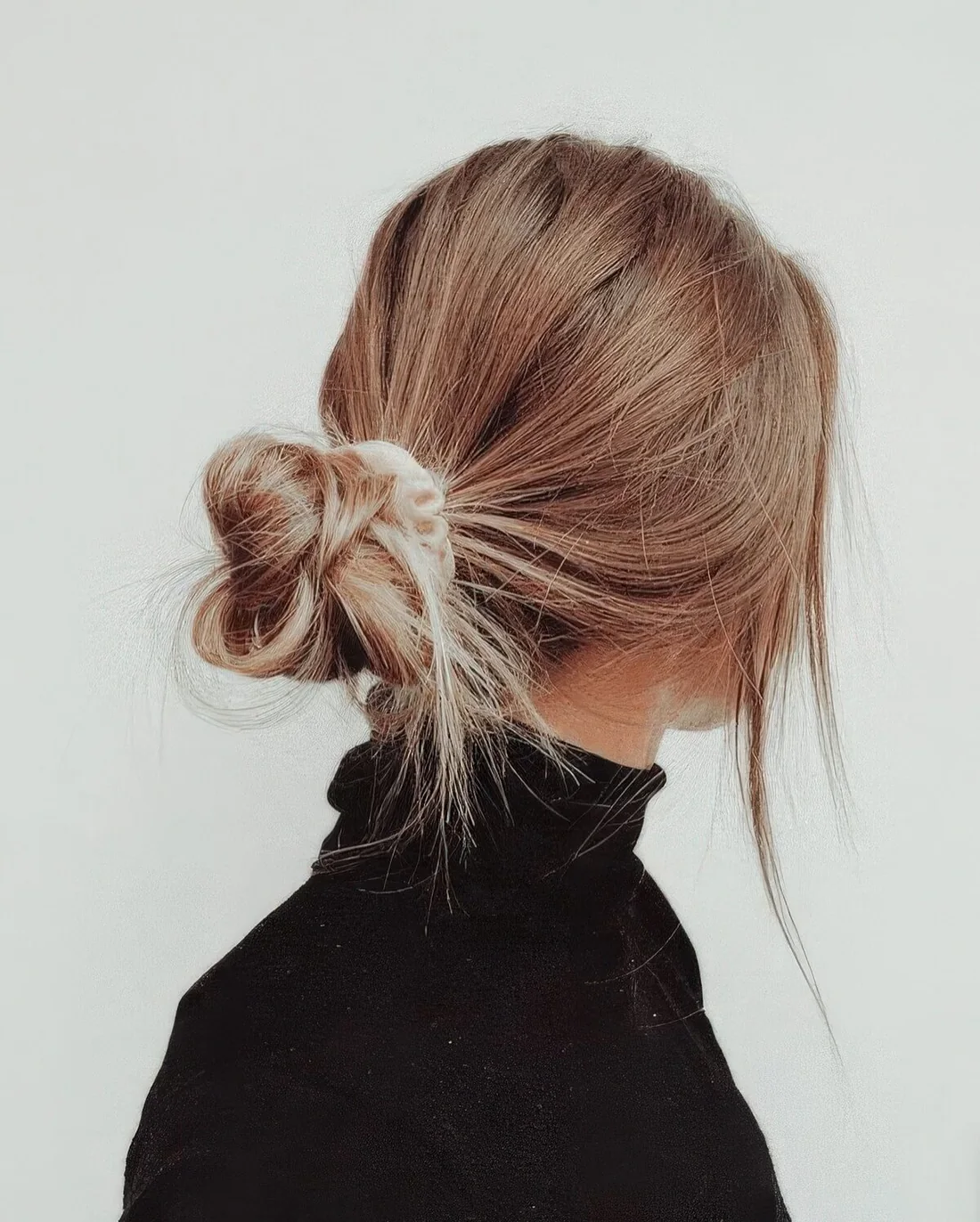 Style inspiration
29+ Fine Hair Hairstyles
A photo-first guide to fine hair hairstyles, with concise image-specific notes and practical comparison points.
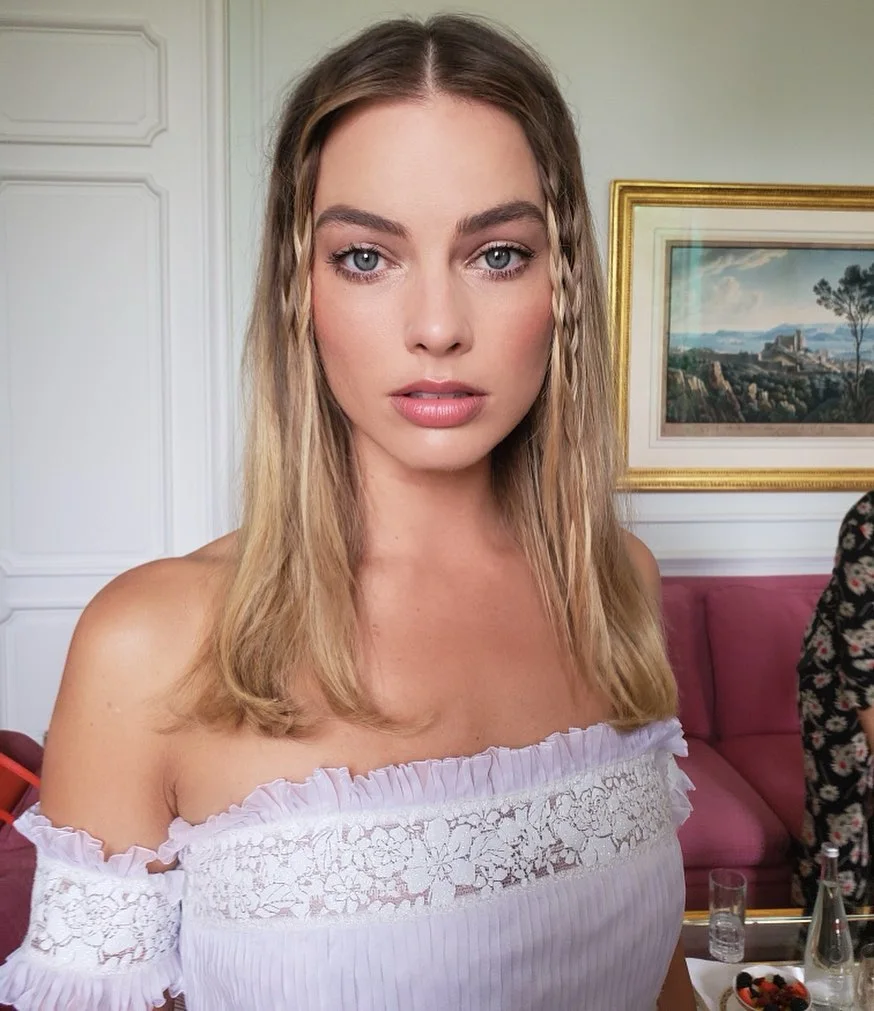 Haircut guide
29+ Shoulder Length Hairstyles for Thin Fine Hair
A photo-first guide to shoulder length hairstyles for thin fine hair, with lobs, layers, bangs, waves, and styling notes that help fine hair look fuller.
 Haircut guide
28+ Medium Length Haircut Ideas for Thin Fine Hair
A photo-first guide to medium length haircut ideas for thin fine hair, with lobs, layers, bangs, soft shags, curls, and styling notes for fuller shape.