
Before you choose
How to choose from these short low-maintenance haircuts
Start with the feature that matters most to you, then use the photographs to compare the remaining details. Treat color, lighting, and a fresh salon finish as separate from the underlying cut or style.
The hairstyle gallery
29+ Short Low-Maintenance Haircuts
Compare these 29+ short low-maintenance haircuts by their visible shape, texture, front detail, and wearability. Save the details that fit your hair and routine.
Idea 01
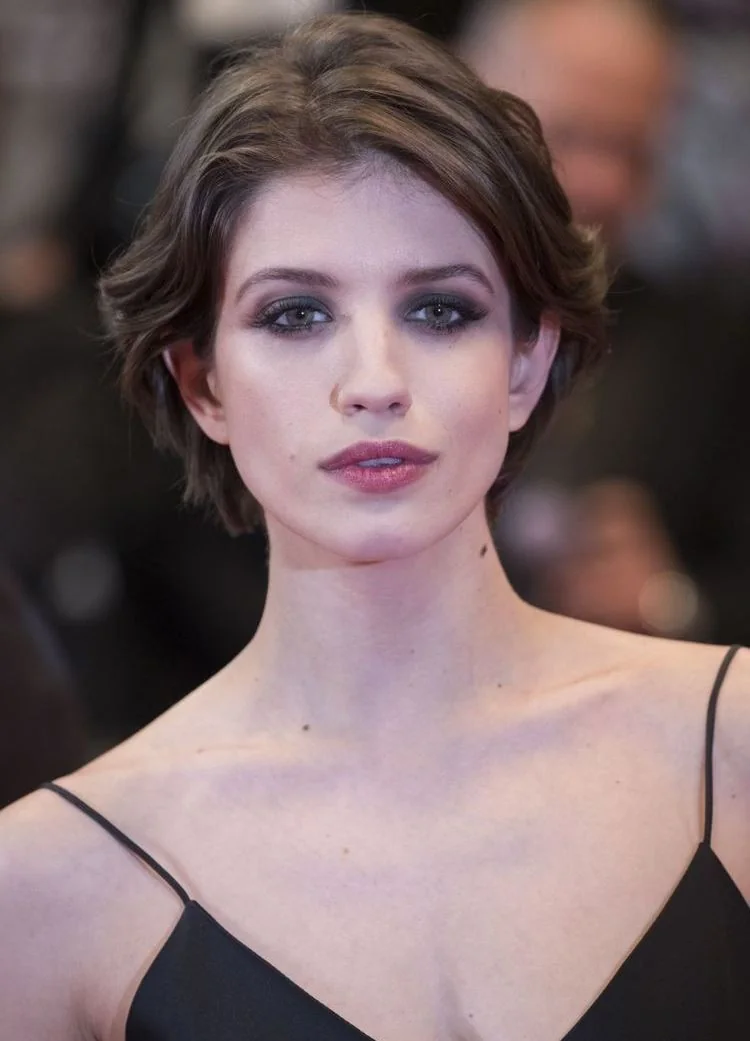
Bixie to Bob with Layer
The natural finish gives this bixie visible movement, with the front defined by an open front.
- Length
- Short
- Style
- Bixie
Bixie to bob with layer; the practical appeal comes from the readable perimeter and uncomplicated open front; styling effort will vary by texture, so compare the photographed finish with how your hair normally dries; compare these visible proportions with your natural density, texture, growth pattern, and usual styling routine rather than expecting an identical result.
Wearability note: Before committing, compare the natural photo with your air-dried texture and ask how the open front behaves between trims.

Idea 02
Wavy Long Pixie
For shape comparison, the wavy texture softens the pixie; the main face-framing detail comes from an open front.
- Length
- Long
- Style
- Pixie
- Finish
- Wavy
Wavy long pixie; this image shows a clear pixie with a wavy surface; before calling it low-maintenance, consider fringe upkeep, air-dried behavior, and whether the perimeter still works as it grows out; compare these visible proportions with your natural density, texture, growth pattern, and usual styling routine rather than expecting an identical result.
Wearability note: For a closer match, ask which part of this pixie needs routine reshaping and which details can be left to natural texture.

Idea 03
Black Bixie
At a glance, the bixie remains readable through the natural texture, and the main front detail comes from an open front.
- Length
- Short
- Style
- Bixie
- Color
- Black
Black bixie; the visible shape may be simple, but true maintenance depends on how closely the natural finish matches your natural texture; use the bixie as the reference and ask what it looks like without a salon blowout; compare these visible proportions with your natural density, texture, growth pattern, and usual styling routine rather than expecting an identical result.
Wearability note: Judge this natural finish against your natural texture and growth pattern, not the freshness of the salon styling.
Choose your direction
First decision
Low-maintenance is relative to natural texture, density, and growth pattern.
Texture check
A simple outline can still require frequent fringe or perimeter trims.
Upkeep check
Choose a grow-out shape you will still like several weeks later.
Best reference
Save a clear front view and a second angle when the back shape matters.

Idea 04
Brown Bixie with Bangs
This view clearly records an open front, the bixie perimeter, and the direction of the natural texture.
- Length
- Short
- Style
- Bixie
- Color
- Brunette
Brown bixie with bangs; the visible shape may be simple, but true maintenance depends on how closely the natural finish matches your natural texture; use the bixie as the reference and ask what it looks like without a salon blowout; compare these visible proportions with your natural density, texture, growth pattern, and usual styling routine rather than expecting an identical result.
Wearability note: Before committing, ask which part of this bixie needs routine reshaping and which details can be left to natural texture.

Idea 05
Dark Brunette Bixie
For shape comparison, the bixie remains readable through the natural texture, and the main front detail comes from an open front.
- Length
- Short
- Style
- Bixie
- Color
- Dark brunette
Dark brunette bixie; the visible shape may be simple, but true maintenance depends on how closely the natural finish matches your natural texture; use the bixie as the reference and ask what it looks like without a salon blowout; compare these visible proportions with your natural density, texture, growth pattern, and usual styling routine rather than expecting an identical result.
Wearability note: For a closer match, compare the natural photo with your air-dried texture and ask how the open front behaves between trims.

Idea 06
Long Pixie or Bixie
The photograph makes the bixie, natural movement, and an open front easy to compare.
- Length
- Long
- Style
- Bixie
Long pixie or bixie; this image shows a clear bixie with a natural surface; before calling it low-maintenance, consider fringe upkeep, air-dried behavior, and whether the perimeter still works as it grows out; compare these visible proportions with your natural density, texture, growth pattern, and usual styling routine rather than expecting an identical result.
Wearability note: When adapting the look, ask what this bixie requires on an air-dried day and how often the open front or perimeter needs trimming.

Idea 07
Messy Bixie
For shape comparison, the face frame is set by an open front, while the tousled finish keeps the bixie from looking rigid.
- Length
- Short
- Style
- Bixie
- Finish
- Tousled
Messy bixie; the practical appeal comes from the readable perimeter and uncomplicated open front; styling effort will vary by texture, so compare the photographed finish with how your hair normally dries; compare these visible proportions with your natural density, texture, growth pattern, and usual styling routine rather than expecting an identical result.
Wearability note: For a closer match, compare the tousled photo with your air-dried texture and ask how the open front behaves between trims.

Idea 08
Wavy Bixie
For shape comparison, the wavy finish gives this bixie visible movement, with the front defined by an open front.
- Length
- Short
- Style
- Bixie
- Finish
- Wavy
Wavy bixie; the visible shape may be simple, but true maintenance depends on how closely the wavy finish matches your natural texture; use the bixie as the reference and ask what it looks like without a salon blowout; compare these visible proportions with your natural density, texture, growth pattern, and usual styling routine rather than expecting an identical result.
Wearability note: For a closer match, ask which part of this bixie needs routine reshaping and which details can be left to natural texture.

Idea 09
Blunt Bob
At a glance, the face frame is set by an open front, while the blunt finish keeps the bob from looking rigid.
- Length
- Short
- Style
- Bob
- Finish
- Blunt
Blunt bob; this image shows a clear bob with a blunt surface; before calling it low-maintenance, consider fringe upkeep, air-dried behavior, and whether the perimeter still works as it grows out; compare these visible proportions with your natural density, texture, growth pattern, and usual styling routine rather than expecting an identical result.
Wearability note: Compare the blunt photo with your air-dried texture and ask how the open front behaves between trims.

Idea 10
Bob Layered Bangs
At a glance, the bob remains readable through the natural texture, and the main front detail comes from an open front.
- Length
- Short
- Style
- Bob
Bob layered bangs; the practical appeal comes from the readable perimeter and uncomplicated open front; styling effort will vary by texture, so compare the photographed finish with how your hair normally dries; compare these visible proportions with your natural density, texture, growth pattern, and usual styling routine rather than expecting an identical result.
Wearability note: Prioritize a bob grow-out you like, then decide how much daily work the natural finish realistically needs.

Idea 11
Bob with Bangs
The natural texture softens the bob; the main face-framing detail comes from an open front.
- Length
- Short
- Style
- Bob
Bob with bangs; the visible shape may be simple, but true maintenance depends on how closely the natural finish matches your natural texture; use the bob as the reference and ask what it looks like without a salon blowout; compare these visible proportions with your natural density, texture, growth pattern, and usual styling routine rather than expecting an identical result.
Wearability note: Before committing, ask which part of this bob needs routine reshaping and which details can be left to natural texture.

Idea 12
Chin Bob Bangs
For shape comparison, the natural finish gives this bob visible movement, with the front defined by an open front.
- Length
- Short
- Style
- Bob
Chin bob bangs; this image shows a clear bob with a natural surface; before calling it low-maintenance, consider fringe upkeep, air-dried behavior, and whether the perimeter still works as it grows out; compare these visible proportions with your natural density, texture, growth pattern, and usual styling routine rather than expecting an identical result.
Wearability note: For a closer match, choose the bob for its grow-out first, then decide whether the natural finish is practical to maintain.

Idea 13
Classic Bob
At a glance, the balance comes from a defined bob, natural movement, and the way an open front shapes the front.
- Length
- Short
- Style
- Bob
Classic bob; the practical appeal comes from the readable perimeter and uncomplicated open front; styling effort will vary by texture, so compare the photographed finish with how your hair normally dries; compare these visible proportions with your natural density, texture, growth pattern, and usual styling routine rather than expecting an identical result.
Wearability note: For daily wear, ask what this bob requires on an air-dried day and how often the open front or perimeter needs trimming.

Idea 14
Classic Lip Line Bob
At a glance, here, an open front connects cleanly to the bob, and the natural finish keeps the shape light.
- Length
- Short
- Style
- Bob
Classic lip line bob; this image shows a clear bob with a natural surface; before calling it low-maintenance, consider fringe upkeep, air-dried behavior, and whether the perimeter still works as it grows out; compare these visible proportions with your natural density, texture, growth pattern, and usual styling routine rather than expecting an identical result.
Wearability note: Compare the natural photo with your air-dried texture and ask how the open front behaves between trims.

Idea 15
French Bob Bangs
For shape comparison, this view clearly records an open front, the bob perimeter, and the direction of the natural texture.
- Length
- Short
- Style
- Bob
French bob bangs; the visible shape may be simple, but true maintenance depends on how closely the natural finish matches your natural texture; use the bob as the reference and ask what it looks like without a salon blowout; compare these visible proportions with your natural density, texture, growth pattern, and usual styling routine rather than expecting an identical result.
Wearability note: For a closer match, judge this natural finish against your natural texture and growth pattern, not the freshness of the salon styling.

Idea 16
Ginger Bob with Bangs
The bob remains readable through the natural texture, and the main front detail comes from an open front.
- Length
- Short
- Style
- Bob
- Color
- Copper
Ginger bob with bangs; the visible shape may be simple, but true maintenance depends on how closely the natural finish matches your natural texture; use the bob as the reference and ask what it looks like without a salon blowout; compare these visible proportions with your natural density, texture, growth pattern, and usual styling routine rather than expecting an identical result.
Wearability note: Before committing, choose the bob for its grow-out first, then decide whether the natural finish is practical to maintain.

Idea 17
Layered Bob
The photo is most useful for comparing the bob edge, an open front, and natural movement.
- Length
- Short
- Style
- Bob
Layered bob; the practical appeal comes from the readable perimeter and uncomplicated open front; styling effort will vary by texture, so compare the photographed finish with how your hair normally dries; compare these visible proportions with your natural density, texture, growth pattern, and usual styling routine rather than expecting an identical result.
Wearability note: When adapting the look, prioritize a bob grow-out you like, then decide how much daily work the natural finish realistically needs.

Idea 18
Lip Line Bob
For shape comparison, this bob is defined by a natural surface, a clear lower edge, and an open front.
- Length
- Short
- Style
- Bob
Lip line bob; the practical appeal comes from the readable perimeter and uncomplicated open front; styling effort will vary by texture, so compare the photographed finish with how your hair normally dries; compare these visible proportions with your natural density, texture, growth pattern, and usual styling routine rather than expecting an identical result.
Wearability note: For a closer match, ask which part of this bob needs routine reshaping and which details can be left to natural texture.

Idea 19
Razor Cut Bob
Visible natural separation gives the bob movement without obscuring an open front.
- Length
- Short
- Style
- Bob
Razor cut bob; the practical appeal comes from the readable perimeter and uncomplicated open front; styling effort will vary by texture, so compare the photographed finish with how your hair normally dries; compare these visible proportions with your natural density, texture, growth pattern, and usual styling routine rather than expecting an identical result.
Wearability note: When adapting the look, choose the bob for its grow-out first, then decide whether the natural finish is practical to maintain.

Idea 20
Razor Cut End Bob
For shape comparison, the natural texture softens the bob; the main face-framing detail comes from an open front.
- Length
- Short
- Style
- Bob
Razor cut end bob; the visible shape may be simple, but true maintenance depends on how closely the natural finish matches your natural texture; use the bob as the reference and ask what it looks like without a salon blowout; compare these visible proportions with your natural density, texture, growth pattern, and usual styling routine rather than expecting an identical result.
Wearability note: Before committing, ask what this bob requires on an air-dried day and how often the open front or perimeter needs trimming.

Idea 21
Shaggy Bob
At a glance, the shaggy finish gives this bob visible movement, with the front defined by an open front.
- Length
- Short
- Style
- Bob
- Finish
- Shaggy
Shaggy bob; the visible shape may be simple, but true maintenance depends on how closely the shaggy finish matches your natural texture; use the bob as the reference and ask what it looks like without a salon blowout; compare these visible proportions with your natural density, texture, growth pattern, and usual styling routine rather than expecting an identical result.
Wearability note: Ask which part of this bob needs routine reshaping and which details can be left to natural texture.

Idea 22
Shaggy Lob
For shape comparison, the shaggy texture softens the long bob; the main face-framing detail comes from an open front.
- Length
- Short
- Style
- Long bob
- Finish
- Shaggy
Shaggy lob; the visible shape may be simple, but true maintenance depends on how closely the shaggy finish matches your natural texture; use the long bob as the reference and ask what it looks like without a salon blowout; compare these visible proportions with your natural density, texture, growth pattern, and usual styling routine rather than expecting an identical result.
Wearability note: For a closer match, ask which part of this long bob needs routine reshaping and which details can be left to natural texture.

Idea 23
Short Brown Bob
The balance comes from a defined bob, natural movement, and the way an open front shapes the front.
- Length
- Short
- Style
- Bob
- Color
- Brunette
Short brown bob; the visible shape may be simple, but true maintenance depends on how closely the natural finish matches your natural texture; use the bob as the reference and ask what it looks like without a salon blowout; compare these visible proportions with your natural density, texture, growth pattern, and usual styling routine rather than expecting an identical result.
Wearability note: When adapting the look, compare the natural photo with your air-dried texture and ask how the open front behaves between trims.

Idea 24
Short Messy Bob
The face frame is set by an open front, while the tousled finish keeps the bob from looking rigid.
- Length
- Short
- Style
- Bob
- Finish
- Tousled
Short messy bob; this image shows a clear bob with a tousled surface; before calling it low-maintenance, consider fringe upkeep, air-dried behavior, and whether the perimeter still works as it grows out; compare these visible proportions with your natural density, texture, growth pattern, and usual styling routine rather than expecting an identical result.
Wearability note: Before committing, judge this tousled finish against your natural texture and growth pattern, not the freshness of the salon styling.

Idea 25
Textural Bob
For shape comparison, the textured finish gives this bob visible movement, with the front defined by an open front.
- Length
- Short
- Style
- Bob
- Finish
- Textured
Textural bob; the visible shape may be simple, but true maintenance depends on how closely the textured finish matches your natural texture; use the bob as the reference and ask what it looks like without a salon blowout; compare these visible proportions with your natural density, texture, growth pattern, and usual styling routine rather than expecting an identical result.
Wearability note: For a closer match, compare the textured photo with your air-dried texture and ask how the open front behaves between trims.

Idea 26
Wavy Bob
At a glance, this view clearly records an open front, the bob perimeter, and the direction of the wavy texture.
- Length
- Short
- Style
- Bob
- Finish
- Wavy
Wavy bob; this image shows a clear bob with a wavy surface; before calling it low-maintenance, consider fringe upkeep, air-dried behavior, and whether the perimeter still works as it grows out; compare these visible proportions with your natural density, texture, growth pattern, and usual styling routine rather than expecting an identical result.
Wearability note: Ask what this bob requires on an air-dried day and how often the open front or perimeter needs trimming.

Idea 27
Blonde Short Bob
This view clearly records an open front, the bob perimeter, and the direction of the natural texture.
- Length
- Short
- Style
- Bob
- Color
- Blonde
Blonde short bob; this image shows a clear bob with a natural surface; before calling it low-maintenance, consider fringe upkeep, air-dried behavior, and whether the perimeter still works as it grows out; compare these visible proportions with your natural density, texture, growth pattern, and usual styling routine rather than expecting an identical result.
Wearability note: When adapting the look, ask what this bob requires on an air-dried day and how often the open front or perimeter needs trimming.

Idea 28
Volumetric Bob
The photograph makes the bob, voluminous movement, and an open front easy to compare.
- Length
- Short
- Style
- Bob
- Finish
- Voluminous
Volumetric bob; the practical appeal comes from the readable perimeter and uncomplicated open front; styling effort will vary by texture, so compare the photographed finish with how your hair normally dries; compare these visible proportions with your natural density, texture, growth pattern, and usual styling routine rather than expecting an identical result.
Wearability note: When adapting the look, prioritize a bob grow-out you like, then decide how much daily work the voluminous finish realistically needs.

Idea 29
Razor Cut
For shape comparison, the natural finish gives this cut visible movement, with the front defined by an open front.
- Length
- Short
- Category
- Haircut
Razor cut; the practical appeal comes from the readable perimeter and uncomplicated open front; styling effort will vary by texture, so compare the photographed finish with how your hair normally dries; compare these visible proportions with your natural density, texture, growth pattern, and usual styling routine rather than expecting an identical result.
Wearability note: For a closer match, ask which part of this cut needs routine reshaping and which details can be left to natural texture.

Idea 30
Layered Bob - Alternate View
The clearest visual cues are the bob, natural texture, and an open front.
- Length
- Short
- Style
- Bob
Layered bob; this image shows a clear bob with a natural surface; before calling it low-maintenance, consider fringe upkeep, air-dried behavior, and whether the perimeter still works as it grows out; compare these visible proportions with your natural density, texture, growth pattern, and usual styling routine rather than expecting an identical result.
Wearability note: When adapting the look, ask which part of this bob needs routine reshaping and which details can be left to natural texture.

Idea 31
Blunt Chin Bob
At a glance, the bob remains readable through the blunt texture, and the main front detail comes from an open front.
- Length
- Short
- Style
- Bob
- Finish
- Blunt
Blunt chin bob; the practical appeal comes from the readable perimeter and uncomplicated open front; styling effort will vary by texture, so compare the photographed finish with how your hair normally dries; compare these visible proportions with your natural density, texture, growth pattern, and usual styling routine rather than expecting an identical result.
Wearability note: Choose the bob for its grow-out first, then decide whether the blunt finish is practical to maintain.
Define maintenance realistically
Separate haircut upkeep from daily styling. A cut may grow out well but still need heat or product to resemble the photographed finish.
Match the shape to natural texture
The closer the finished texture is to how your hair normally dries, the less restyling the shape is likely to need.
Ask about the grow-out
Discuss trim intervals, fringe upkeep, and how the perimeter changes between appointments. This is more useful than relying on a low-maintenance label alone.

About the author
Bella Ross
Bella Ross is the hairstyle editor behind Latest Easy Hairstyles. She curates practical haircut, braid, color, and styling ideas with a focus on looks that are easy to browse, realistic to recreate, and useful for everyday hair decisions.