
Before you choose
Choose where the long cut should change
Look at the shortest front piece and the lower edge before deciding on layers. A long face frame can be a small change, while a fuller fringe creates a more noticeable new front. Many photographed curves are styled finishes; the cut gives the hair different lengths but does not guarantee the same bend.
The hairstyle gallery
18 cute haircuts for long hair ideas to compare
Compare the visible length, shape, texture, and finish before choosing a salon reference.
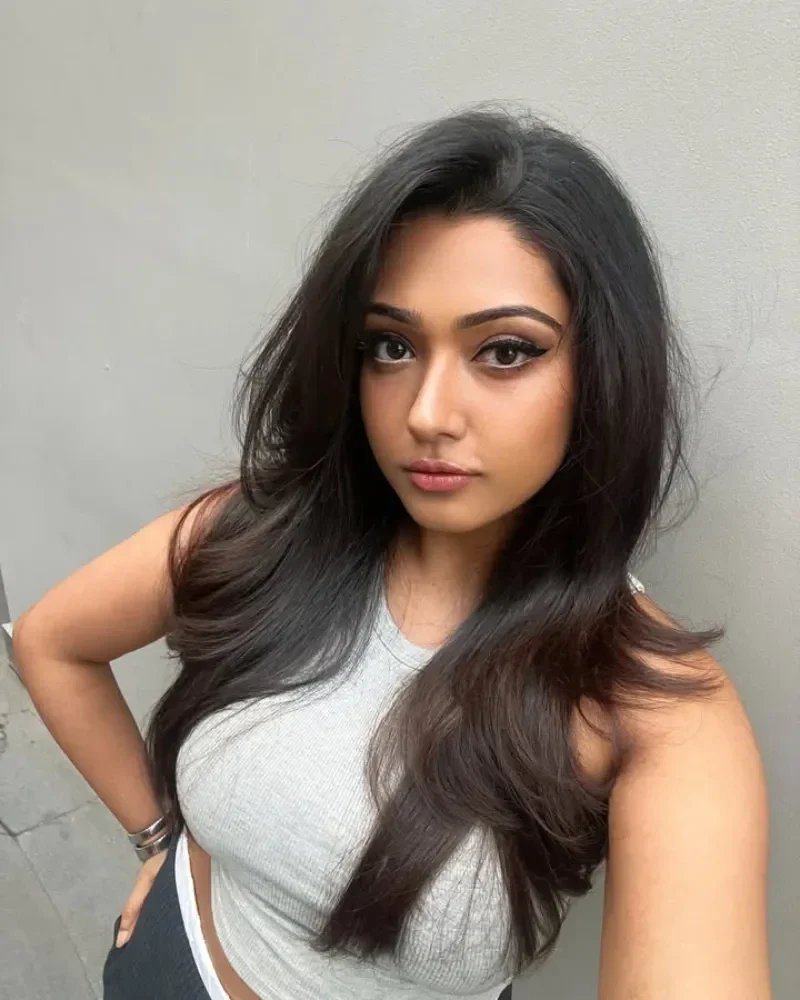
Idea 01
Long Dark Layers With a Side Part
A side part gives these long dark layers a sweeping front. The longest hair stays well below the shoulders, while shorter pieces add movement around the face and upper chest.
- Shape
- Long layers
- Detail
- Side part
The ends bend away from one another instead of forming one blunt line. That separation makes the layering visible without needing a dramatic difference between the darkest and lightest sections.
Wearability note: Compare where the shortest front layer begins before copying the cut. If you often tie your hair back, ask which pieces will stay in the tie and which will fall loose around the face.
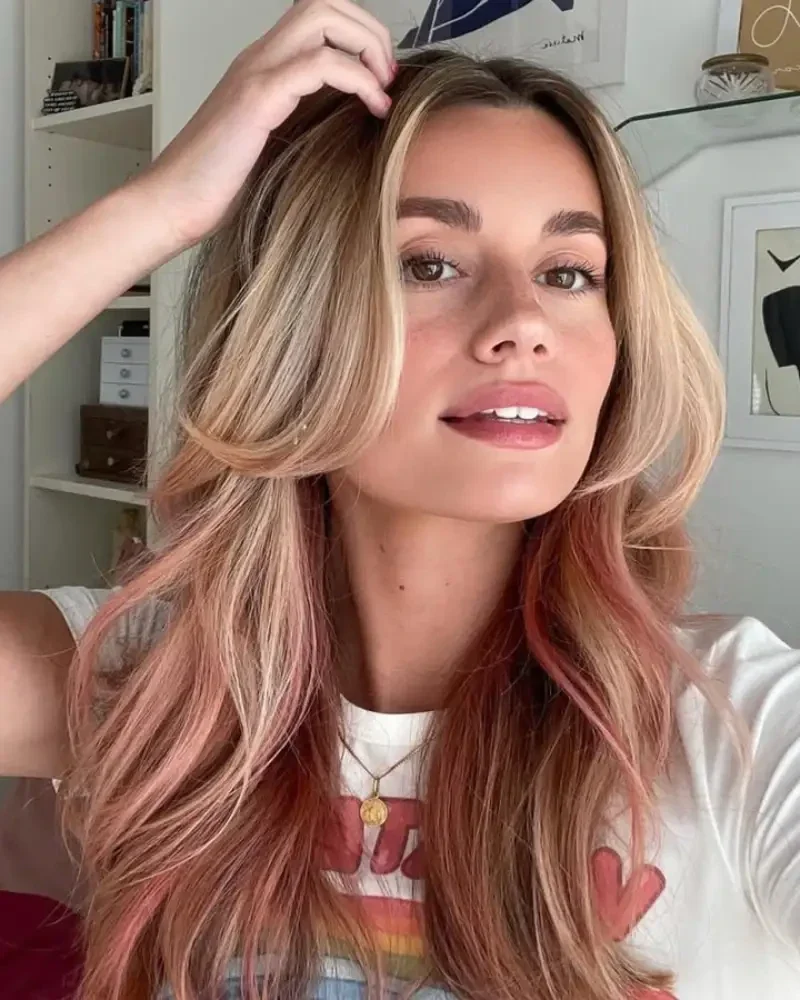
Idea 02
Curtain Layers With Pink Ends
Curtain-like front pieces give this long haircut a distinct face frame. The pink lower lengths add color, but the curved front layers are what shape the hair around the cheeks.
- Shape
- Long layers
- Detail
- Pink lower lengths
The shortest visible sections turn outward near the face before joining the longer lengths below. This creates a clear step between the face frame and the hair that continues down the chest.
Wearability note: Separate the cut from the color in your salon request. You can use the layered outline as inspiration without choosing pink, and the front can be adjusted to a length that fits your usual ponytail.
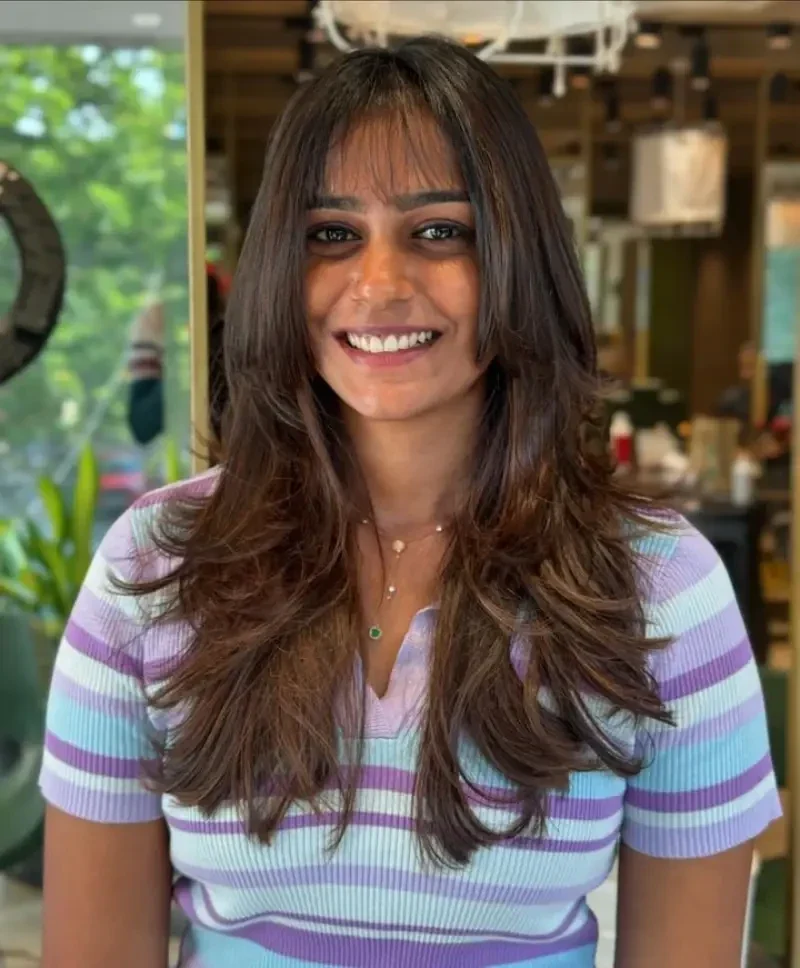
Idea 03
Long Layers With Wispy Bangs
Wispy bangs add a light front detail to these long brown layers. The fringe leaves small gaps across the forehead instead of making a dense, straight block.
- Shape
- Long cut
- Detail
- Light bangs
Below the bangs, longer face-framing pieces connect with the feathered lengths around the chest. The ends curve outward in several places, giving the haircut more movement than a single-length perimeter.
Wearability note: This is a useful comparison if you want to change the front while keeping plenty of length. Discuss fringe trims separately from the rest of the cut, since the bangs will reach your eyes sooner.
Choose your direction
Make a smaller change
Compare long straight hair with a subtle face frame before choosing shorter front layers.
Add a stronger front
Look at wispy bangs and sweeping curtain pieces if you want a noticeable change near the face.
Preserve the bottom edge
Compare the fuller-ended cuts when your lower lengths already feel light.
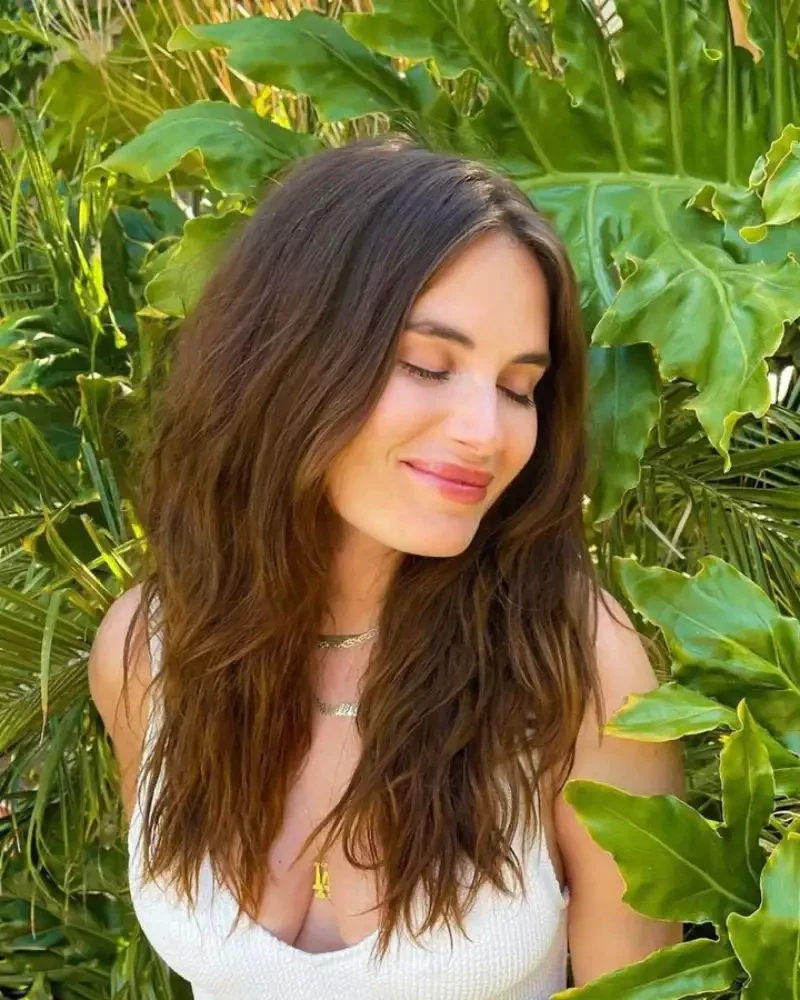
Idea 04
Loose Waves With Soft Ends
Loose waves give this long haircut a relaxed outline. The lower edge is softly separated, so the lengths look less rigid than a straight cut with a sharply defined perimeter.
- Shape
- Long waves
- Detail
- Soft perimeter
The movement is irregular rather than arranged into matching ringlets. Slightly lighter pieces help show the bends through the mid-lengths, especially where the hair falls forward over the shoulders.
Wearability note: Use this photo for the softness of the ends, not as proof of a particular cutting technique. Ask how much layering your own wave pattern needs before removing weight through already light lower lengths.
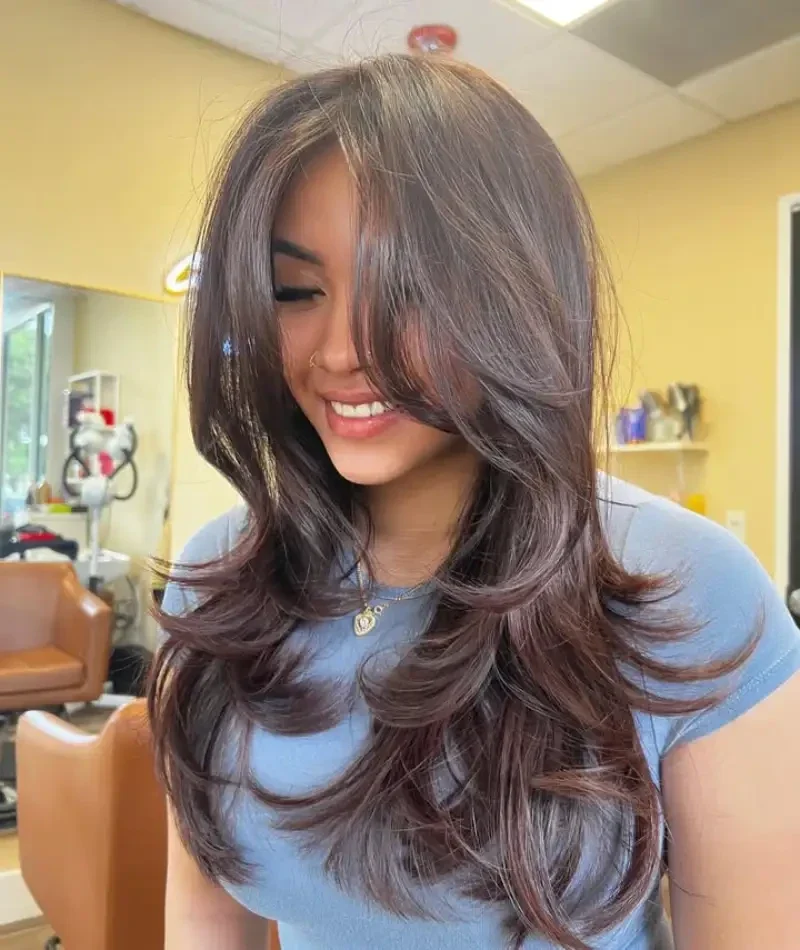
Idea 05
Feathered Layers Around the Face
Several outward-curving layers give this long haircut a full face frame. The longest lengths remain below the shoulders, but the shorter sections make the front feel more active.
- Shape
- Long layers
- Detail
- Outward curves
Each curved layer sits above the next rather than blending into a completely straight sheet. The visible steps are especially clear beside the cheeks and through the upper chest.
Wearability note: Save this if the lifted front is part of what you want. The haircut supplies different lengths, while the photographed curves are arranged, so discuss how the same layers will sit with your everyday drying routine.
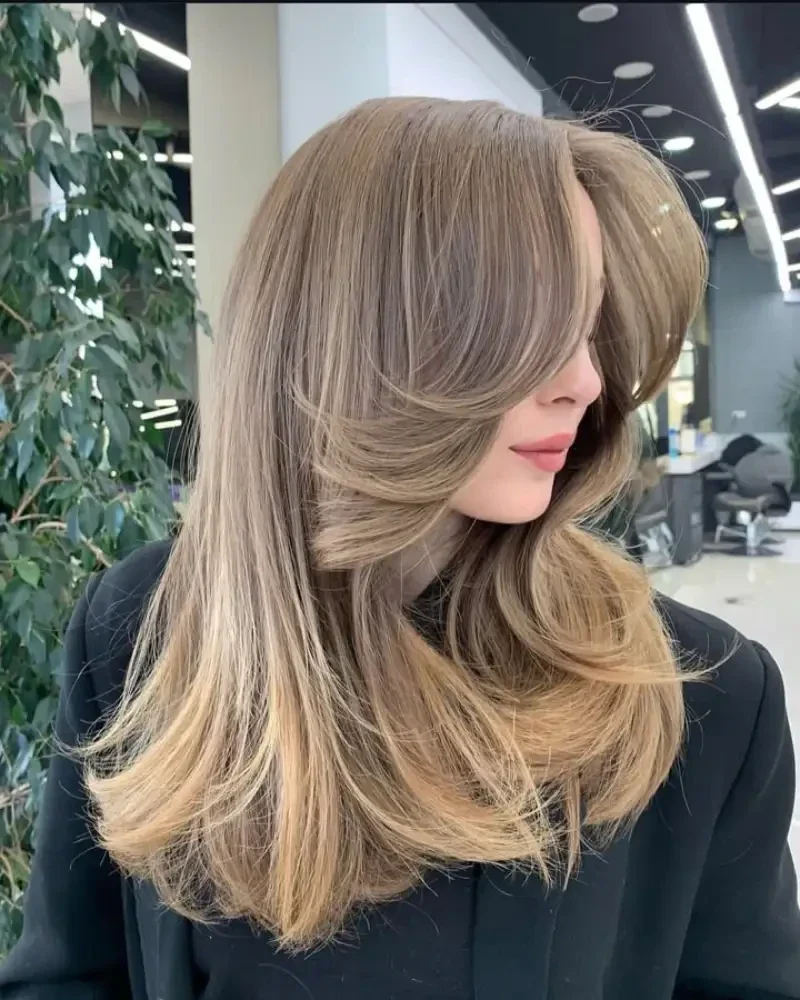
Idea 06
Long Blonde Layers With a Sweep
A sweeping front section gives this long blonde haircut its main shape. The layers continue below it in broad curves, keeping the face frame connected to the longer hair.
- Shape
- Long cut
- Detail
- Sweeping fringe
The front crosses diagonally before turning outward near the cheek. The lower layers spread around the shoulders instead of falling as a single narrow tail.
Wearability note: Compare the fringe length with how often you tuck hair behind the ear. A long sweep offers flexibility, but it may need redirecting if your natural part sends the front toward the eyes.
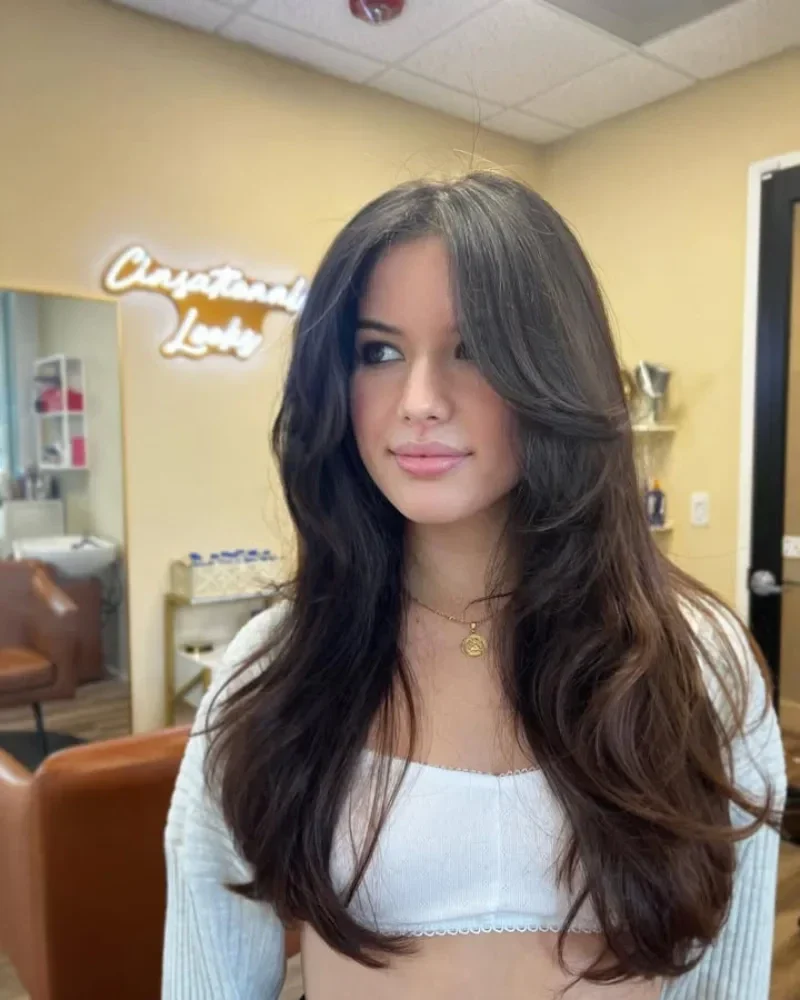
Idea 07
Dark Layers With a Full Lower Edge
Soft front layers add movement while the lower lengths stay substantial. This makes the haircut a useful comparison if you want a face frame without a very thin or shredded perimeter.
- Shape
- Long layers
- Detail
- Full perimeter
The shorter pieces bend near the cheeks and shoulders, then join the darker length below. The ends curve gently inward and outward rather than forming a sharply angled point.
Wearability note: Ask to preserve the lower-edge weight if that is the feature you like. The right amount of layering depends on your density, so avoid treating the number of visible curves as an instruction to remove more hair.
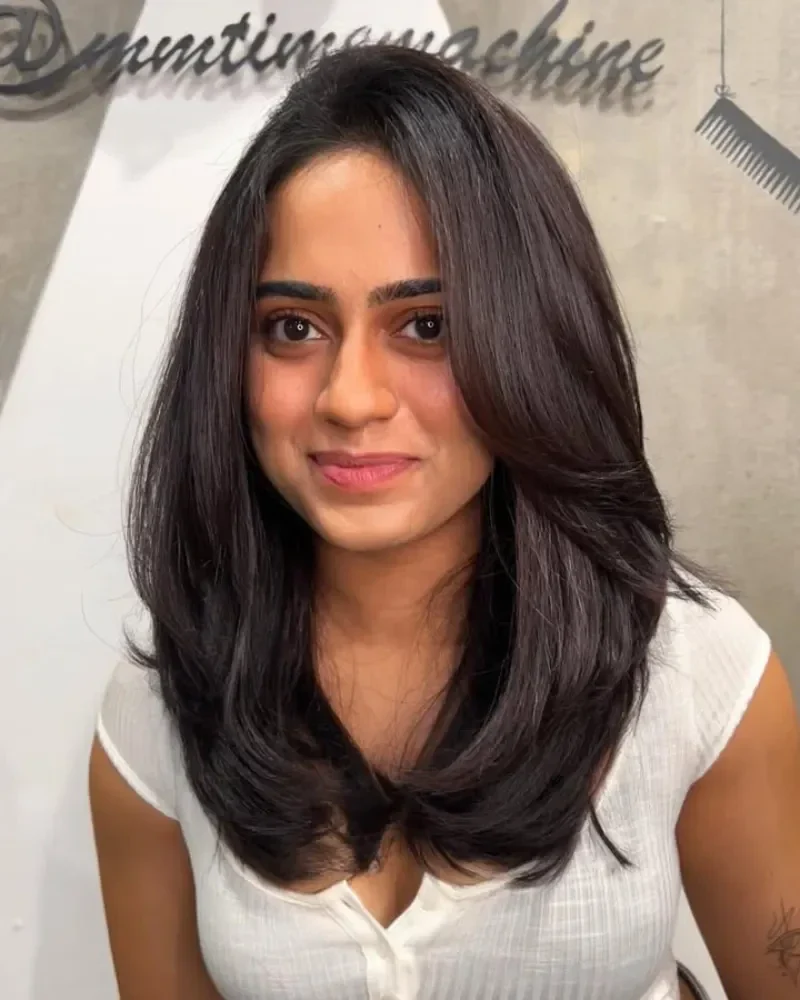
Idea 08
Rounded Long Layers
Rounded ends give this long dark haircut a soft, full silhouette. The front opens gently rather than being covered by a short fringe, leaving the main detail through the lengths.
- Shape
- Long cut
- Detail
- Rounded ends
The lower layers curve toward the chest and sit together in broad sections. This looks more solid at the perimeter than a heavily textured cut with many narrow pointed ends.
Wearability note: Compare this with the more feathered examples if keeping fullness is your priority. A stylist can adapt the face frame while retaining a heavier base, especially if your lower lengths already look light.
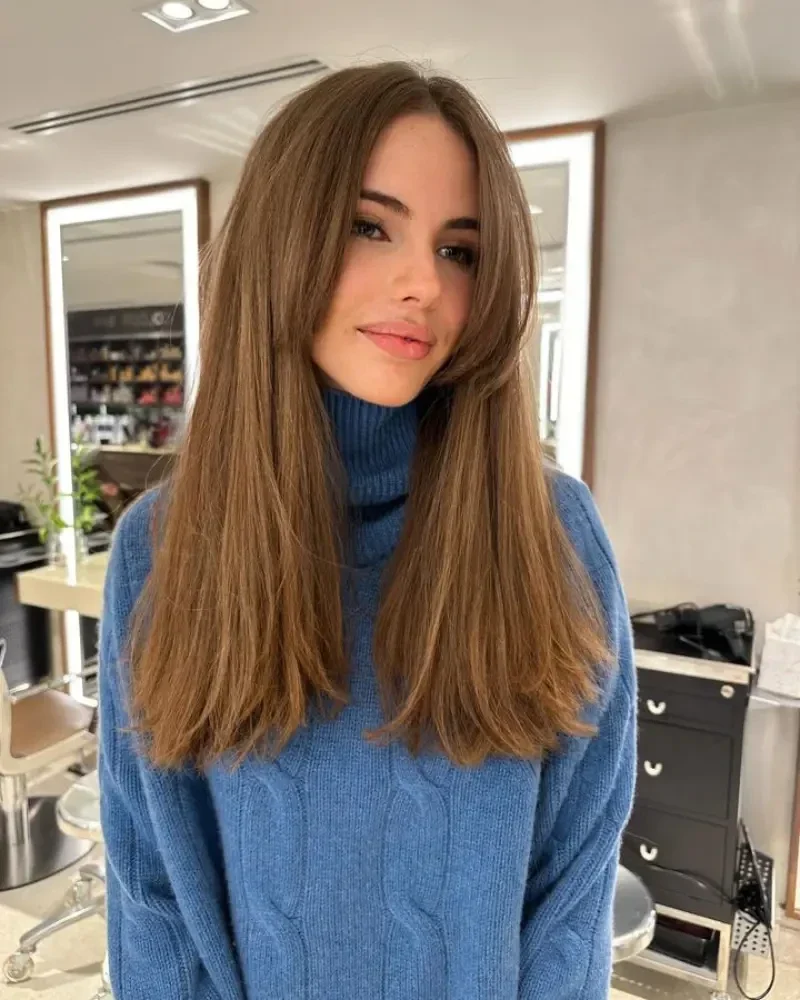
Idea 09
Long Straight Cut With Front Layers
Long straight lengths keep this haircut simple, with the shape coming mainly from the front pieces. The lower hair remains much less curved than the blowout-style examples in the gallery.
- Shape
- Long straight hair
- Detail
- Long face frame
A center part separates the two sides, and the face-framing layers start well below the eyes. The ends retain enough weight to read as a long haircut rather than a wispy layered tail.
Wearability note: This is useful if you prefer a quieter change. Discuss the shortest front point and the lower edge together, since even a subtle face frame can affect how much hair stays in an everyday tie.
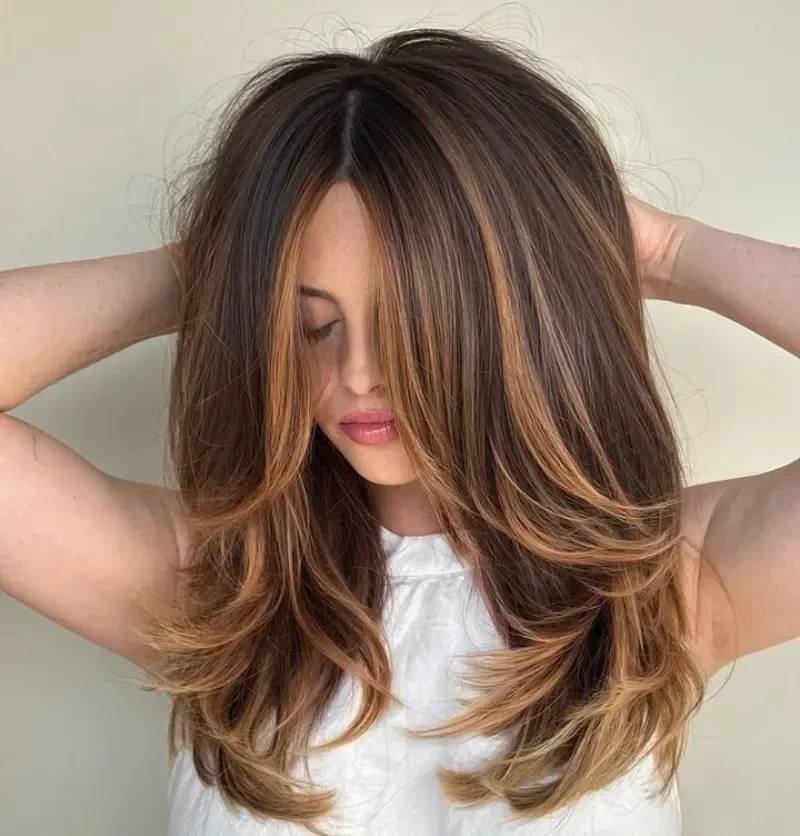
Idea 10
Caramel Face-Framing Layers
Caramel pieces make the face-framing layers easy to see in this long haircut. The front curves away from the cheeks while the longer hair continues below the shoulders.
- Shape
- Long layers
- Detail
- Highlighted front
Several shorter sections overlap through the front, creating movement at different heights. The color emphasizes those changes, but the layered shape would still exist in a more uniform shade.
Wearability note: Point out the layer placement if you want the haircut rather than the color. Ask how much front length can be removed while keeping enough hair to tuck back or gather comfortably.
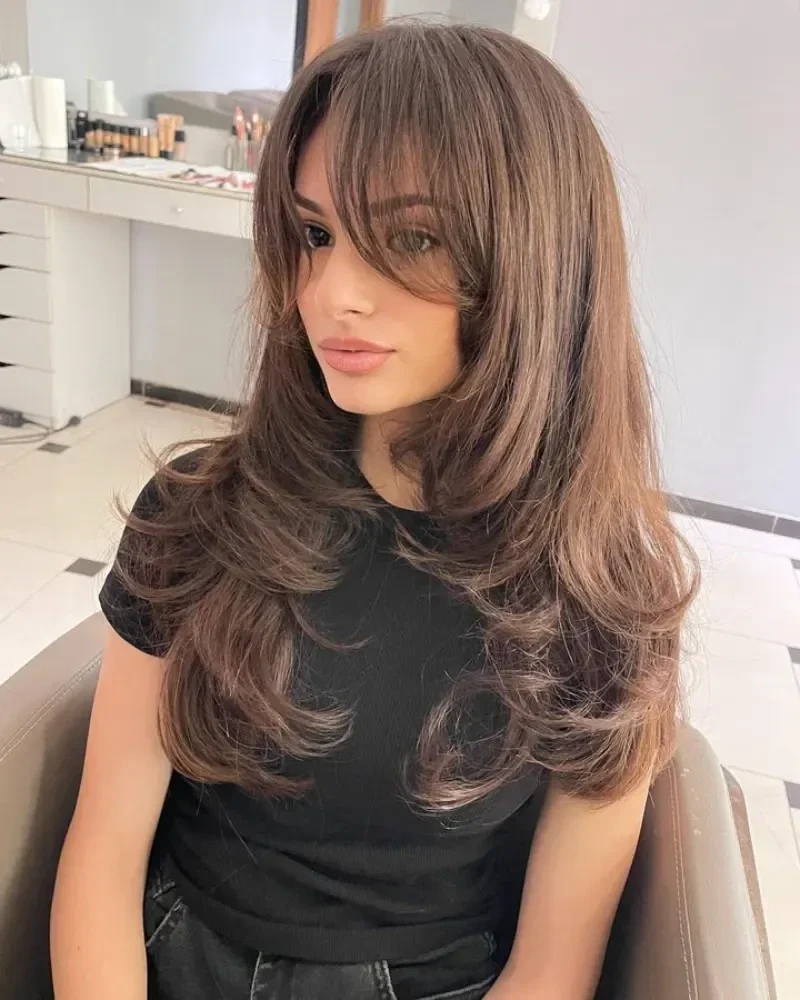
Idea 11
Long Brown Layers With a Full Fringe
A full sweeping fringe gives this long haircut a stronger front shape. It covers more of the forehead than the airy-bang examples while still opening toward the sides.
- Shape
- Long cut
- Detail
- Long curtain fringe
The layers beneath it curve around the shoulders and continue into longer ends. Their smooth overlapping finish makes the front and lower lengths look connected instead of like two separate haircuts.
Wearability note: Choose this if you want the fringe to be a noticeable feature. Compare its length with your daily routine, especially if you prefer an unobstructed view without having to move the front aside.
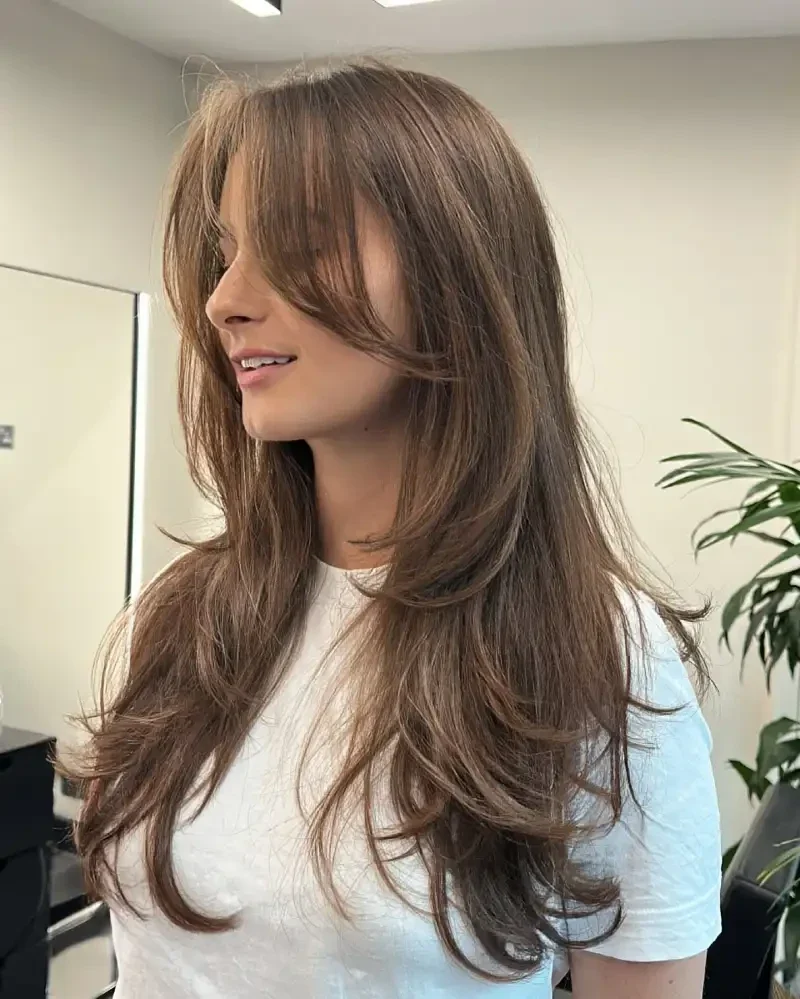
Idea 12
Long Layers With an Open Center
An open center gives these long layers a balanced front. Shorter sections frame both sides, while the longer hair keeps the overall outline below the shoulders.
- Shape
- Long cut
- Detail
- Center opening
The face frame bends outward before the lower layers turn in softer curves. This creates movement around the upper chest without relying on a separate short fringe across the forehead.
Wearability note: Use this reference to compare symmetry and the starting point of the layers. If you usually wear a side part, ask to see how the same front lengths will move when the part changes.
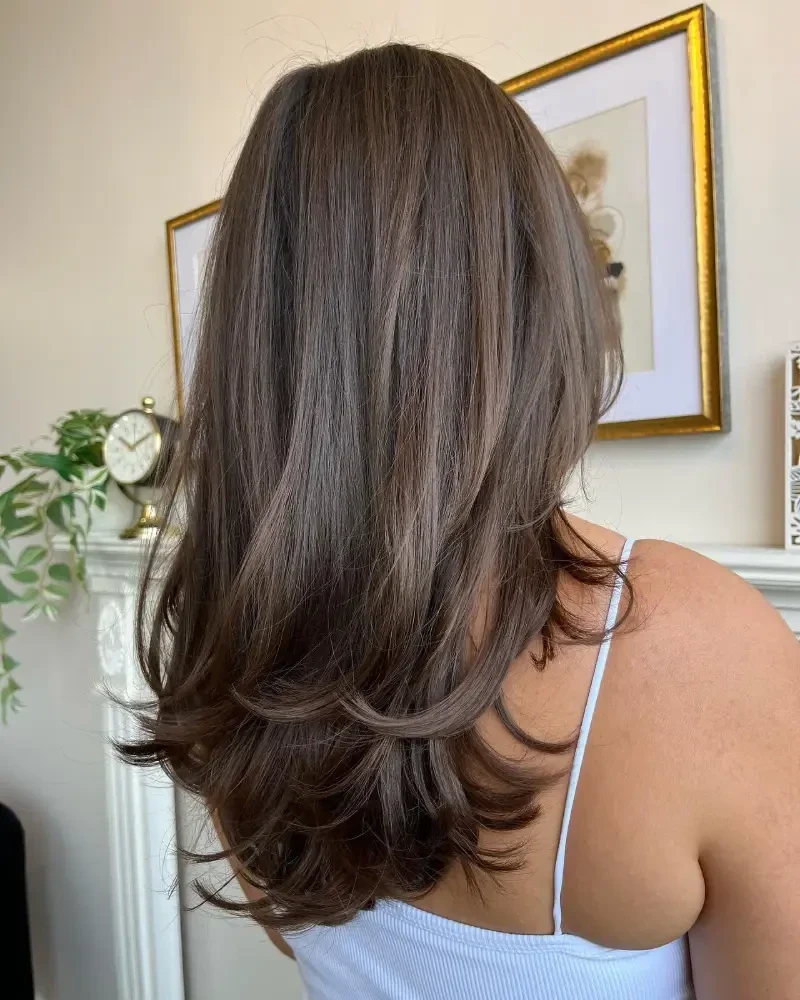
Idea 13
Layered Back With Turned Ends
This back view shows how long layers can change the lower outline without shortening the entire haircut. Several curved sections sit above the longest edge instead of ending at one level.
- Shape
- Long back view
- Detail
- Curved layers
The upper back stays relatively smooth. Most of the visible separation appears lower down, where the ends turn outward and reveal the different lengths.
Wearability note: Bring a back-view reference like this alongside a front view when discussing long layers. It helps explain whether you want most of the movement at the ends or shorter layering continuing high through the crown.
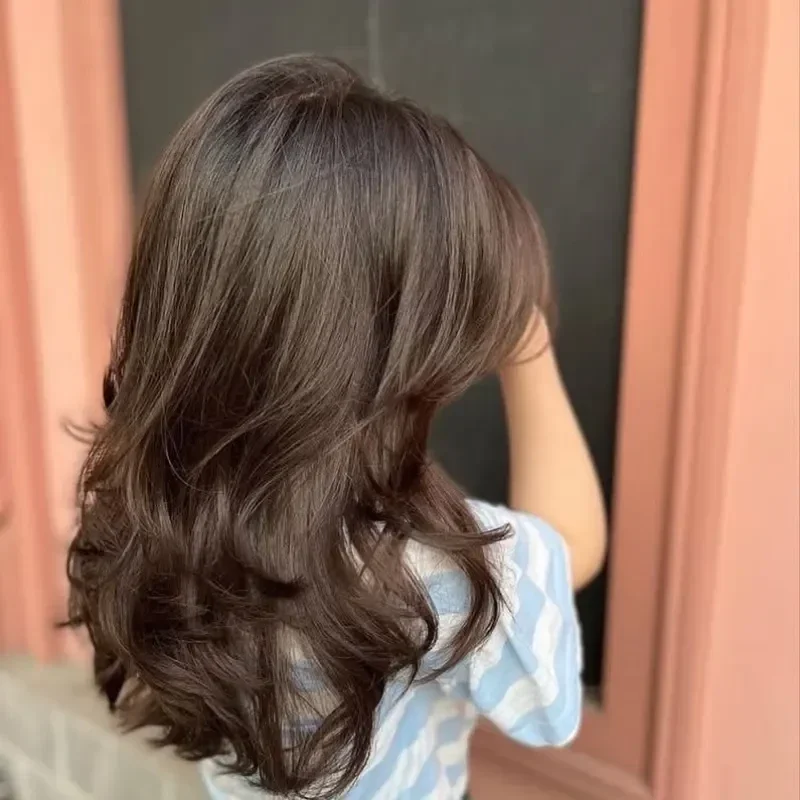
Idea 14
Soft Brown Layers From Behind
Broad bends give the back of this long haircut a soft, rounded shape. The layers overlap rather than separating into sharply pointed pieces, keeping the lower outline comparatively full.
- Shape
- Long layers
- Detail
- Broad bends
The smooth upper section contrasts with the movement near the ends. That difference makes it possible to see where the layered effect becomes most noticeable through the back.
Wearability note: Compare this with the more feathered back view if you want gentler movement. Discuss how much of the photographed bend comes from styling, since the same cut may sit straighter when left to dry naturally.
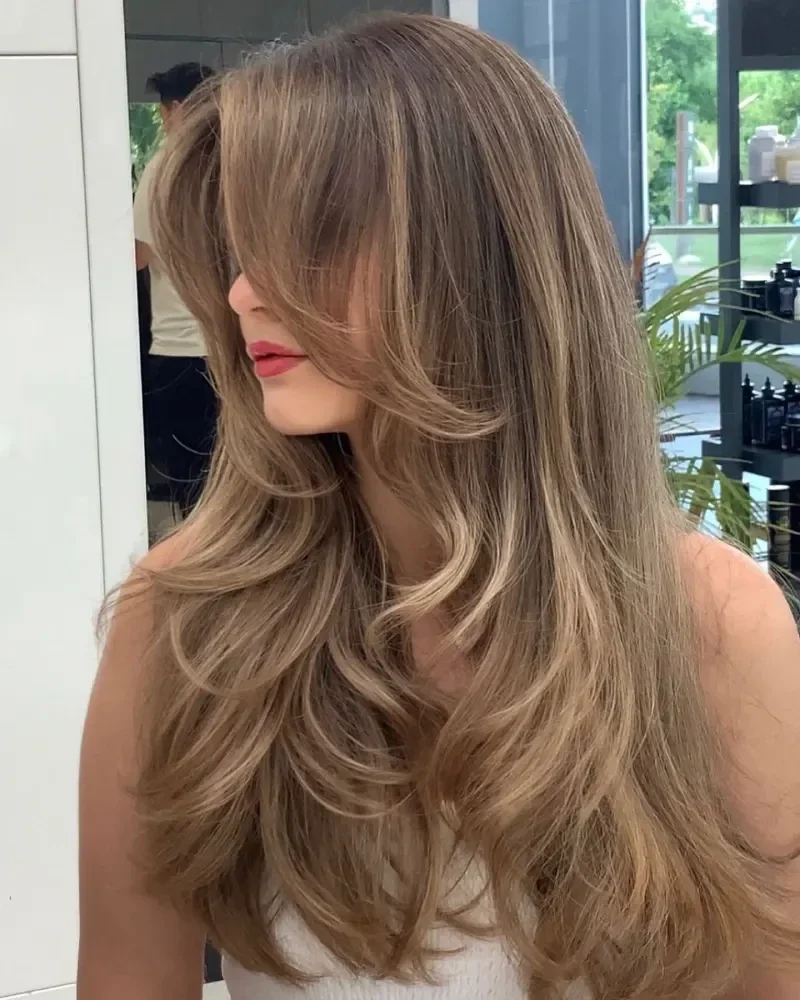
Idea 15
Long Layers With a Sweeping Front
A sweeping front adds shape around the cheek while the long lower layers keep the haircut flowing. The effect is softer than a short, sharply separated fringe.
- Shape
- Long face frame
- Detail
- Soft feathering
Lighter strands highlight the curved ends through the front. The longest hair remains substantial below the shoulders, balancing the shorter sections that turn away from the face.
Wearability note: This is a useful reference if you want a face frame with plenty of length behind it. Check where the shortest piece will sit when the hair is straight as well as when it is curved.
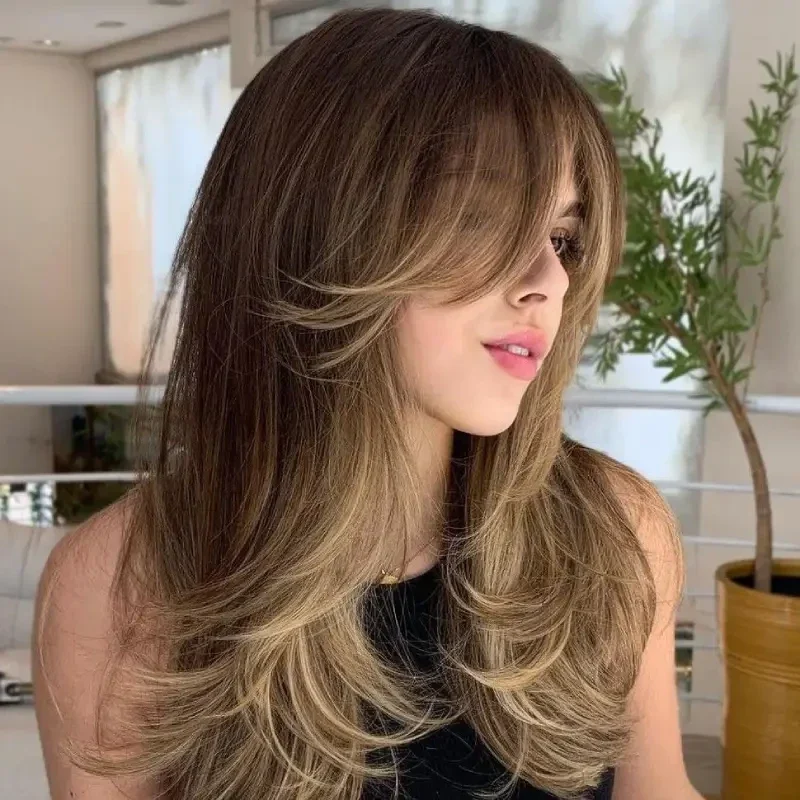
Idea 16
Long Feathered Face Frame
Broad outward curves make this face frame the strongest feature of the haircut. The long layers continue below, so the front has movement without turning the whole style into a short cut.
- Shape
- Long layers
- Detail
- Outward front
The highlighted strands make the separate curves easy to follow. The upper front sweeps across the side of the face before joining the lower layers near the chest.
Wearability note: Save this for the layered outline rather than an exact promise of volume. Ask how the cut will behave on your own density and whether keeping a heavier bottom edge would make it easier to wear.
Idea 17
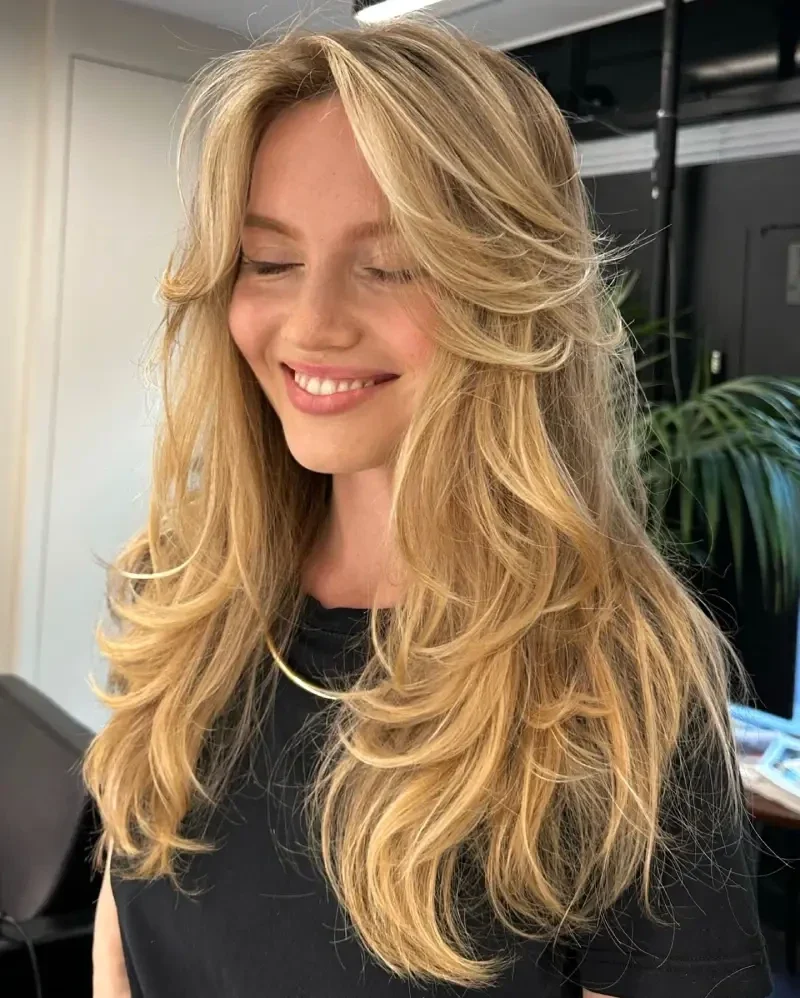
Golden Layers With a Light Finish
Light feathered layers keep this long golden haircut from looking like a solid block. The face frame opens around the cheeks, while the ends spread into several soft curves.
- Shape
- Long golden hair
- Detail
- Airy layers
The separation is visible through the lower lengths as well as beside the face. Small flyaway strands make the finish feel looser than the very smooth, tightly arranged blowout examples.
Wearability note: Consider this if you enjoy an airy outline, but discuss how much weight your ends can spare. Fine or already sparse lower lengths may need a less heavily layered adaptation to keep a balanced perimeter.
Idea 18
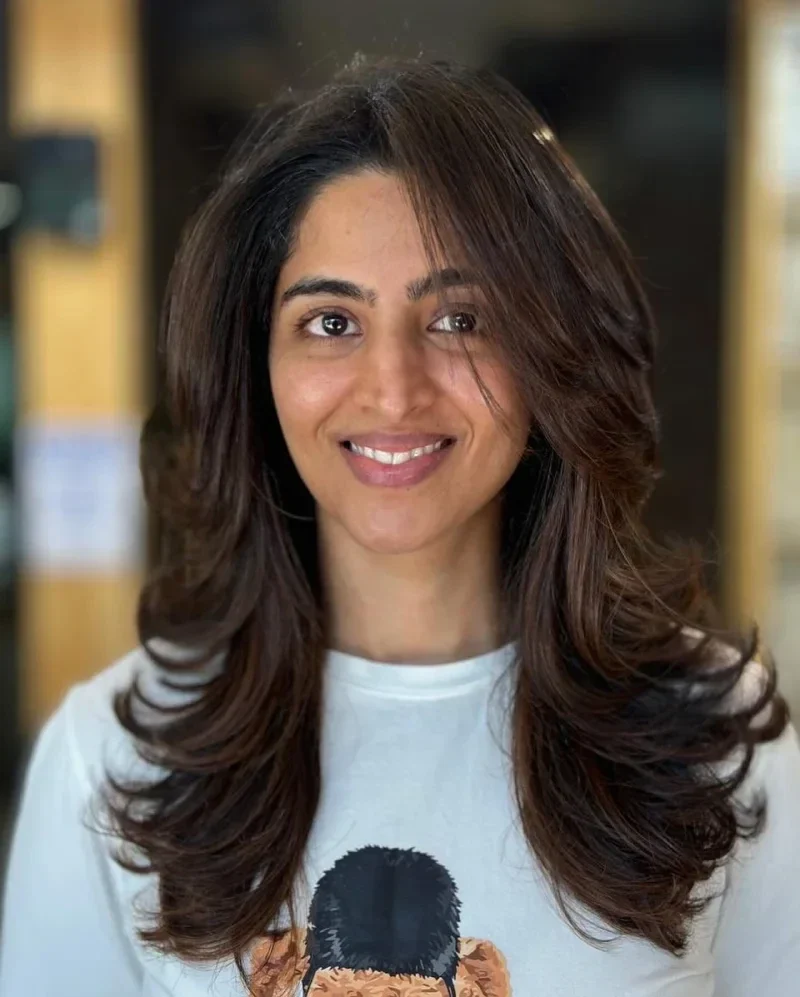
Dark Long Layers With Soft Flicks
Soft flicks give this long dark haircut movement while retaining a clear lower outline. The front opens around the face without introducing a separate short fringe.
- Shape
- Long cut
- Detail
- Soft end flicks
The layers are easiest to see near the shoulders and through the lower lengths, where the ends turn away from one another. The upper hair stays comparatively smooth and close together.
Wearability note: This is worth comparing if you want long layers that do not look excessively choppy. Ask to keep the face frame and perimeter in balance so the front feels shaped without leaving the bottom too thin.
Discuss the layers in two views
A front photo shows the face frame, while a back view explains how the layers affect the lower outline. Take both if possible. Specify the shortest front point and how much length you want to retain at the back.
Keep the finished wave or blowout separate from the cut. Ask how the layers sit with your usual texture and whether you want an airy or fuller perimeter. Removing extra weight is not always the best route to more visible volume.

About the author
Bella Ross
Bella Ross is the hairstyle editor behind Latest Easy Hairstyles. She curates practical haircut, braid, color, and styling ideas with a focus on looks that are easy to browse, realistic to recreate, and useful for everyday hair decisions.