
Product reviews / Shampoo Brushes: Grip, Pressure and Rinsing
Best Shampoo Brushes: Grip, Pressure and Rinsing
Six shampoo brushes reviewed for grip, scalp access, gentle pressure and cleaning, with clear differences between palm and handle designs.

As an Amazon Associate I earn from qualifying purchases, at no extra cost to you. Affiliate disclosure

A compact wash-day grip
THE SHORTLIST
Find the right fit
Kitsch is the simple palm-held choice; HEETA gives fingers a defined knob, while RHOS changes the wrist position with a handle.
Kitsch Scalp Massager
A compact wash-day grip
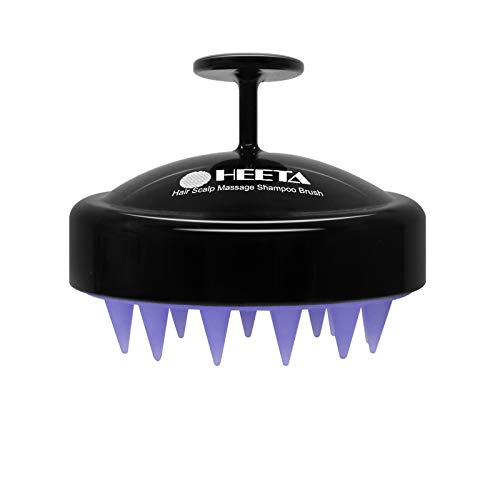
HEETA Soft Silicone Scalp Brush
A familiar knob-style handhold

Meartchy Silicone Scalp Massager
A flexible all-silicone format

Cbiumpro Two-Pack Scalp Brushes
Separate tools for two people

YEALIFE Four-Pack Scalp Scrubbers
Finger-space grip with household spares

RHOS Scalp Brush with Handle
A handle rather than a palm knob
THE EDITOR'S TAKE
The details that matter
Kitsch is the simple palm-held choice; HEETA gives fingers a defined knob, while RHOS changes the wrist position with a handle.
A shampoo brush belongs at the scalp. Detangle the lengths separately, use light contact and lift the tool when changing areas.
A brush is a cleaning accessory, not a treatment for hair loss or a persistent scalp condition.
A CLOSER LOOK
The full product reviews
Kitsch Scalp Massager
Kitsch puts flexible silicone teeth under a palm-held body, keeping small scalp movements separate from brushing through the lengths.
Keep the movement at the scalp
The Kitsch is a palm-held scalp tool, rather than a detangling hairbrush. Put shampoo where it is needed first, separate a section, then place the tips against the exposed scalp. Small movements let you work the same area without drawing a whole sheet of hair into the brush. Lift it to move to the next section. That distinction is especially useful when longer hair lies over the crown and hides where the tool is touching.
A short grip changes the pressure
Holding the body in your palm gives a direct connection to the flexible teeth. There is no long handle to create extra leverage, which makes a light approach easier to remember. It also means the entire tool is close to a slippery shampoo-covered hand. Rinse your hand if you cannot hold it securely; pressing harder to compensate for a loose grip changes the scalp contact rather than fixing the grip.
The useful finish is a clean, rinsed tool
Rinse between the teeth after use, then let the brush dry where air can reach it. A scalp brush should not stay buried beneath damp washcloths or coated in the shampoo that was just removed from your hair. Kitsch is a sensible choice for adding controlled fingertip-like contact to a wash routine. It does not replace careful rinsing, and a sore or irritated scalp is a reason to stop brushing rather than seek a firmer massage.
What stands out
- A compact head fits between separated sections.
- Silicone teeth can be rinsed after shampooing.
The trade-offs
- Dragging it through the lengths can collect and tighten tangles.
Our verdict The most straightforward choice for a small, controlled scalp-cleaning movement, with a flexible head and a grip that does not require wrapping fingers around a long handle.
Using it in your routine
Apply shampoo first, use light movements on one exposed scalp area and lift the brush before changing sections.
Consider another option if: Avoid brushing broken, sore or irritated skin.
HEETA Soft Silicone Scalp Brush
HEETA’s raised knob gives the fingers a defined holding point before wet shampoo makes the brush surface slippery.
Find the handhold before adding shampoo
The HEETA has a raised grip above its silicone head. Seat the hand around that grip before applying more lather, rather than pinching the wet edge of the brush. This makes the holding position clearer during a wash. The teeth still need light contact: a secure handle is not a reason to push deeper into the scalp or scrub an itchy spot repeatedly.
Work under the hair, not across it
On dense hair, create access with a part and place the head into that opening. Let the silicone tips reach the scalp without forcing the brush through a tangled surface layer. Long circular sweeps can wind hair around the teeth. Short localized strokes followed by a lift keep the movement within the area you can feel and control. Use fingers where a section is too tight for the brush to enter comfortably.
Inspect the body after rinsing
Check the base of the teeth and the edge of the housing for trapped lather or shed hair. Rinse those areas thoroughly and store the tool where it can dry. HEETA makes sense when the knob grip is the handling feature you want. Claims about hair growth or dandruff on a package should not determine the purchase: the immediate job here is distributing shampoo and cleaning the scalp gently, without treating a persistent scalp condition.
What stands out
- The raised grip gives fingers a defined holding point.
- The silicone head is suited to wet cleaning.
The trade-offs
- The head and housing need cleaning where residue collects.
Our verdict A simple knob-held brush for someone who prefers a clear place to seat the fingers during shampooing.
Using it in your routine
Grip the knob, expose a small scalp section and use short light strokes before lifting to the next area.
Consider another option if: Do not use force to work through tightly tangled roots.
Meartchy Silicone Scalp Massager
Meartchy’s one-piece silicone body needs hand support for controlled tooth-tip contact, without a removable pad to inspect.
The body needs support from your hand
The Meartchy uses a soft silicone format rather than the rigid-backed feel of a normal styling brush. Support the top in the hand so the working surface stays controlled. If the head bends away when you press, ease the pressure and reposition the fingers. The useful contact comes from the tooth tips touching a small area, not from flattening the entire brush against your head.
Wet and dry are different jobs
With shampoo, use it to work lather into an accessible scalp section. On dry hair, keep the movement even smaller so the teeth do not drag through unlubricated roots. Neither use requires running the tool from roots to ends. If you want to detangle the length, put this down and use a suitable comb or detangling brush. Keeping the two jobs separate avoids turning a scalp routine into a knot-removal session.
One piece changes the cleaning job
The one-piece silicone construction is the useful difference from a tooth pad fitted into a separate housing. You can inspect and rinse the visible body without removing a head or opening a casing. Product still collects around tooth bases, so rinse the complete working face and allow it to dry. One piece does not establish that the tool can never tear or become dirty. Choose it if simple construction matters more than a rigid handle, and stop using it if an edge is damaged.
What stands out
- The flexible construction keeps the format simple.
- It can be rinsed after wet use.
The trade-offs
- Flexibility does not make vigorous scrubbing appropriate.
Our verdict A one-piece silicone option for someone who wants to rinse and inspect a single body without removing a tooth pad or opening a housing.
Using it in your routine
Support the silicone body, place the tips on an exposed area and rinse the complete surface after use.
Consider another option if: Avoid it if even light tip contact feels uncomfortable.
Cbiumpro Two-Pack Scalp Brushes
Cbiumpro supplies two silicone scalp brushes that can be assigned to separate people or wash spaces.
The second brush is about organization
The Cbiumpro set gives you two scalp brushes. That is useful when two people want their own tool or when you keep one in each bathroom. Treat the brushes as separate personal accessories, and keep track of which one belongs where. The set does not need both heads used in a single wash, nor does a second brush make the scalp cleaning more thorough.
A smaller area keeps the lather manageable
Place shampoo on the scalp, then work within one part or section. A brush moving beneath long wet lengths can become difficult to lift if the hair wraps around it. Pause and free any caught strand rather than pulling the tool out against resistance. Work around the hairline with fingertips if the head is too broad to sit comfortably. The pair is most useful when the ordinary grip and tooth format already suit you.
Give each brush its own drying space
Rinse the base of the teeth and remove loose hairs after every use. Store the two tools apart while they dry so one damp head is not pressed against the other. This set is a practical household choice, but buying multiples is less useful than finding one brush you can use lightly and clean properly. Skip the pair if you only need a single tool or a smaller head for a specific scalp area.
What stands out
- Two tools can stay with separate wash routines.
- The silicone heads can be washed after shampooing.
The trade-offs
- Two matching brushes add no new cleaning technique.
Our verdict A useful two-piece purchase when separate household tools are more practical than sharing one brush.
Using it in your routine
Assign each brush to one user, wash a small accessible scalp area and dry the tools separately.
Consider another option if: Choose a single tool if a second brush would simply remain unused.
YEALIFE Four-Pack Scalp Scrubbers
YEALIFE changes the handhold with finger space inside a grass-shaped grip; the four-piece set adds spares rather than extra washing steps.
The grass-shaped grip is the real distinction
YEALIFE provides room for fingers within a grass-shaped handle rather than relying on a plain palm dome. Before applying shampoo, position the fingers so the tooth face can be lifted away from the scalp without needing a tight fist. That holding arrangement may suit someone whose hand slides over a smooth shell. If the fingers feel crowded or the body shifts once wet, choose a different grip instead of scrubbing harder to stabilize it.
Use short movements in one direction
The product directions advise against circling through the hair. Use a short controlled movement within an accessible scalp section, lift the head and place it at the next area. Long wet lengths should be kept clear so they do not loop around the grip or teeth. That distinction matters more than the number of brushes supplied: four tools do not make a repeated full-head scrub necessary. Around a small hairline area, fingertips may give a more precise contact point.
Choose the pack only after choosing the handle
Four scrubbers are useful when the finger-space format already suits the people who will use them. A spare for a gym bag or a second wash space adds convenience, but it does not create another working mechanism. Inspect each individual head before use and reserve a clean storage place for unused pieces. For a first trial, a single brush is a simpler purchase unless the finger-space design itself is the reason you want this pack.
What stands out
- The handle leaves room for fingers rather than relying only on a smooth palm shell.
- Four separate tools can be assigned to different wash spaces.
The trade-offs
- More pieces create more cleaning and storage responsibility.
Our verdict Choose YEALIFE for its grass-shaped finger-space handle when that grip suits your hand, with four pieces useful only if you have a role for the spares.
Using it in your routine
Position the fingers in the handle, use short movements without circles, then lift before moving to another scalp section.
Consider another option if: Skip a four-pack when you have no use for the spare brushes.
RHOS Scalp Brush with Handle
RHOS offers an extended handle for a different wrist position while reaching the scalp behind the crown.
A different wrist position is the main attraction
RHOS is worth choosing for its handle. That gives you an alternative to seating a palm over a compact knob, particularly while reaching the back of the head. Keep the handle in a relaxed grip and let the head sit against an exposed scalp area. If reaching the crown requires you to bend the wrist sharply, reposition your elbow or work from another part rather than pressing harder.
Leverage needs restraint
An extended grip can make it easier to create force at the head. Use that reach to place the brush, not to dig the tips into the scalp. Short motions keep the contact localized; dragging from the crown toward the nape draws wet hair into the working surface. A handle is particularly useful when it improves access without changing the light pressure you would use with fingertips.
Clean the whole tool
Rinse the head, the back of the brush and the grip after shampooing. Residue on a handle matters because the next wash starts by holding that same surface. Let it dry where it is not continually sprayed. RHOS suits a specific handling preference. For someone who already holds a palm brush comfortably, the longer form adds storage space without necessarily improving the wash.
What stands out
- A handle provides a different hand position.
- It can be kept with ordinary shower brushes.
The trade-offs
- The handle adds leverage, making pressure control important.
Our verdict The most relevant alternative when holding a brush above the head is awkward and you prefer a more familiar handle.
Using it in your routine
Hold the handle lightly, use the reach to position the head and keep scalp contact small and gentle.
Consider another option if: Avoid relying on the handle to apply stronger pressure.
EVERYDAY DETAILS
What matters in everyday use
Grip
Choose a body you can hold with wet, shampoo-covered hands.
Scalp access
Separate dense hair rather than pushing through a tangled surface.
Rinsing
Keep the tooth bases and housing free from residue.
Product photographs: Amazon. Certain content that appears on this site comes from Amazon. This content is provided “as is” and is subject to change or removal at any time.
Keep household tools separate
Assign each scalp brush to a user or wash space. After washing, remove shed hairs, rinse the tooth bases and let the complete tool dry uncovered. Keep unused spares away from wet daily brushes. A larger pack changes organization rather than how thoroughly one head needs to be scrubbed.
GOOD TO KNOW
Questions before choosing
Should I move the brush in large circles?
Use small localized movements and lift between areas. Large circles through long hair can collect strands around the teeth.
Can it replace a detangling brush?
No. The working area and purpose are different. Detangle the lengths before using the scalp tool.
Should I scrub an itchy patch harder?
No. Stop if contact hurts or irritates the skin. Persistent scalp symptoms need appropriate advice rather than more force.
Bella Ross curates practical hairstyle ideas for everyday cuts, braids, color inspiration, and simple styling routines.
Our editorial policySTYLE IT YOUR WAY
A little styling inspiration
 Product reviews
Best Shower Combs: Wet Grip and Easy Storage
Six shower combs reviewed for wet grip, tooth shape, conditioner distribution and hanging storage, with practical knot-removal guidance.
 Product reviews
Wet-Hair Detangling Brushes: 6 Detailed Reviews
Wet-hair detangling is a controlled sectioning job. A brush suited to conditioner distribution is not automatically the same model you should put under a blow dryer.