
Product reviews / Zigzag texture
6 Hair Crimpers: Detailed Reviews
Little Tease suits small texture accents; Terviiix and DSHOW change zigzag spacing, while SAOSA covers a broader visible panel.

As an Amazon Associate I earn from qualifying purchases, at no extra cost to you. Affiliate disclosure

Small texture under the top layer
THE SHORTLIST
The shortlist, reviewed below
Little Tease suits small texture accents; Terviiix and DSHOW change zigzag spacing, while SAOSA covers a broader visible panel.
Small texture under the top layer
Bed Head Little Tease
Small texture under the top layer
A dedicated light-texture tool

Hot Tools 24K Gold 1-Inch Crimper
A dedicated light-texture tool
Deep microtexture on selected sections

MINT Pro Series Micro Crimper
Deep microtexture on selected sections
Changing zigzag spacing

Terviiix Four-Plate Crimper
Changing zigzag spacing
Choosing tooth spacing explicitly

DSHOW Four-in-One Crimper
Choosing tooth spacing explicitly
Broader retro-texture panels

SAOSA 1.57-Inch Crimper
Broader retro-texture panels
THE EDITOR'S TAKE
Our first choice and the alternatives
Little Tease suits small texture accents; Terviiix and DSHOW change zigzag spacing, while SAOSA covers a broader visible panel.
This review focuses on zigzag crimping and microtexture. Broad triple-barrel beach wavers form a different rounded pattern and are not substitutes for the plates reviewed here.
A CLOSER LOOK
The full product reviews
Small texture under the top layer
Bed Head Little Tease
Our first choice for compact crimped texture or a carefully hidden underlayer.
A true crimping shape
Little Tease is our first choice for fine repeated texture rather than broad beach waves. Its one-inch crimping plates imprint small bends into a section, a different result from a round three-barrel waver. The maker specifically describes an underlayer technique for added volume: lift the top layer and work smaller sections underneath. That is useful when you want the outer surface mostly smooth rather than a visible retro zigzag through every length.
Placement is a bigger skill than squeezing
Separate the intended underlayer clearly, leave scalp clearance and keep the ribbon flat between the plates. A hidden section does not justify bringing heat directly against the roots or holding it longer because it cannot be seen. For visible all-over texture, align the next placement with the previous pattern instead of stamping a second crimp over the same point. A narrow plate makes details manageable but requires more placements down long hair.
Simple format with a specific limit
The tourmaline-ceramic coating is a construction detail; it does not establish a damage-free result. Multiple heat settings give adjustment, with 400°F as the upper option rather than a universal recommendation. Choose Little Tease for a compact dedicated texture tool instead of a large interchangeable kit. It will not make the broad rounded wave of a beach waver, and the narrow pattern can be too conspicuous if you expose a section meant to stay hidden.
What stands out
- Dedicated small-crimp plates distinguish it from a broad waver.
- One-inch format suits underlayer placement and selected accents.
The trade-offs
- Narrow repeated texture requires more placements through long lengths.
Our verdict Our first choice for compact crimped texture or a carefully hidden underlayer.
Using it in your routine
Prepare a flat dry section, keep scalp clearance and align each placement without doubling back.
Consider another option if: You want broad beach waves or assume the coating removes heat risk.
A dedicated light-texture tool
Hot Tools 24K Gold 1-Inch Crimper
A dedicated light-texture alternative with a long swivel cord.
Light crimps rather than deep rounded waves
The Hot Tools one-inch crimper is designed for light repeated texture and volume. The narrower plate is useful when you want a selected accent through an otherwise smooth style instead of a whole-head beach-wave pattern. Decide which section should be visible before heating. On a hidden layer, placement and coverage are different from a visible side panel that needs a continuous repeating pattern. The same tool can serve both, but the section map changes.
The swivel cord supports changing angle
An eight-foot swivel cord gives room to work around a mirror without pulling the handle into an awkward position. Keep the free hand on a designated cool point and arrange the cord so it does not cross the resting surface. The listed 430°F maximum is an available ceiling, not evidence that every hair type needs that setting. Plate pattern, width and heat settings are more useful selection details than the gold surface branding.
The purchase is a fixed pattern
Choose this model if you want one dedicated small-texture plate rather than attachments that must be changed and stored. Its limitation is the same specialization: you cannot turn the fixed crimping surface into a flat iron or a broad waver. Plan smaller sections so the plates close on a flat ribbon, then inspect the cooled pattern before repeating heat. A pronounced bend at one overlapped placement is better addressed by alignment than by pressing again more firmly.
What stands out
- Fixed one-inch texture format avoids attachment changes.
- Eight-foot swivel cord gives room for mirror positioning.
The trade-offs
- Fixed crimping plates do not supply a smooth-flat or broad-wave mode.
Our verdict A dedicated light-texture alternative with a long swivel cord.
Using it in your routine
Choose the visible or hidden section plan first and keep each placement flat and aligned.
Consider another option if: You want several plate patterns in one tool.
Deep microtexture on selected sections
MINT Pro Series Micro Crimper
A specialized microtexture pick after confirming the heat controls.
A pronounced micro-pattern
MINT describes deeper micro-crimping plates, useful when you want a deliberately compact repeated pattern or a hidden texture section. The one-inch face lets you isolate a smaller area than a broad waver. It should not be treated as a gentle version merely because the imprinted curves are small. Each placement still heats the section, and deeper pattern geometry can be visibly stronger than a light crimp once the top layer moves.
Check the available heat control
The current product information lists professional 415-degree heat but does not clearly establish a selectable low-temperature range. That matters for delicate or highly processed strands. Confirm the supplied controls before choosing it where a low starting setting is essential. Do not rely on the claimed one-to-three-second styling result as a timing rule for every section. Use the exact instructions and assess the cooled result rather than assuming the strongest imprint is the best outcome.
Choose the pattern deliberately
Listed dual voltage is useful where the plug arrangement is addressed separately, but does not change the thermal suitability for the hair. This pick is for someone intentionally seeking microtexture and able to confirm that the heat controls fit their routine. A model with a documented adjustable lower range is easier to assess when fine temperature flexibility drives the purchase. It is also not a straightener, curl wand or wide beach-wave tool; its useful role remains compact repeated texture.
What stands out
- Deep micro-plate format supplies a distinct tight pattern.
- One-inch width supports selected texture placement.
The trade-offs
- An adjustable low-temperature range is not clearly established in the current description.
Our verdict A specialized microtexture pick after confirming the heat controls.
Using it in your routine
Check the supplied settings and directions before using a small isolated dry section.
Consider another option if: You require a clearly documented low starting heat setting.
Changing zigzag spacing
Terviiix Four-Plate Crimper
- Plate options
- Three zigzag sets and flat plates
- Settings
- Five settings, 280 to 430°F
The versatile plate-kit choice for someone who uses several zigzag scales.
Several patterns are the real advantage
Terviiix supplies four interchangeable plate formats spanning narrower and wider zigzags plus a straight surface. That is useful when you switch between a hidden texture layer, a visible retro accent and ordinary straight styling. Choose the plates before plugging in and check that the locking arrangement is fully seated. A loose plate is not a styling inconvenience to work around; stop and reseat it only when the tool is unplugged and cool.
The lower option changes the comparison
Five settings begin at 280°F and reach 430°F. That documented range is easier to compare than a tool with only an upper heat figure. It is still the hair’s condition and supplied instructions that determine the suitable setting. Infused argan-oil and keratin descriptions should not turn the purchase into a repair claim. The useful control is being able to choose a lower available level before forming the pattern.
More parts mean more setup
The Z-shaped locking arrangement, plate changes and accessory storage add steps that a fixed Little Tease does not require. Buy the kit when several patterns will actually be used, not because four surfaces automatically make every styling job better. Listed 100–240V operation can support compatible travel arrangements, and the one-hour sleep mode is a backup to switching off. Keep cooled plates together so a missing matched pair does not derail the next planned style.
What stands out
- Several plate patterns serve genuinely different texture tasks.
- Documented 280°F starting option provides a clear comparison point.
The trade-offs
- Changing, locking and storing plates adds setup and parts to manage.
Our verdict The versatile plate-kit choice for someone who uses several zigzag scales.
Using it in your routine
Fit matched plates cold, confirm the lock and select the suitable setting before styling.
Consider another option if: You only need one fixed pattern or dislike attachment management.
Choosing tooth spacing explicitly
DSHOW Four-in-One Crimper
The kit for choosing zigzag spacing deliberately rather than by a generic wave label.
The tooth counts make the choice visible
DSHOW specifies eight-, six- and four-tooth patterns plus flat plates. That is useful because the spacing difference is described directly: the denser pattern favors microtexture, while the broader zigzag makes a more conspicuous retro finish. The six-tooth option sits between those roles. Decide the visual scale on a small visible test section instead of fitting whichever plate looks most dramatic in the box. A whole-head pattern is harder to undo than a single accent.
Plate changes are a cold-tool task
Match the pair, seat it fully and check the attachment before heating. The five selectable levels span 284 to 428°F, so setup includes both the shape and temperature. The titanium-ceramic description does not prove identical behavior across different section thicknesses. Keep the ribbon shallow enough for even closure and inspect the released pattern before moving to the next placement. Overlap can create a doubled bend regardless of which tooth count you choose.
Extra formats need a real routine
The flat pair is useful if you genuinely alternate between zigzag texture and a smoother finish, but a kit adds storage and changeover compared with a dedicated crimper. Only use on a wig or extension when that specific fiber is explicitly heat compatible and its directions permit the selected setting. A broad accessory claim is not evidence that every synthetic piece can tolerate it. Choose DSHOW for defined spacing options and visible temperature selection.
What stands out
- Explicit tooth counts make pattern scale easier to compare.
- Five settings offer a documented selectable range.
The trade-offs
- Plate changes add complexity, and synthetic hair needs its own heat compatibility.
Our verdict The kit for choosing zigzag spacing deliberately rather than by a generic wave label.
Using it in your routine
Fit the matching plates cold and test the selected spacing on a small prepared section.
Consider another option if: You want one simple fixed head or have fibers without heat-use instructions.
Broader retro-texture panels
SAOSA 1.57-Inch Crimper
The broader fixed-pattern option for visible retro texture on longer sections.
A broader plate for a visible panel
SAOSA provides a 1.57-inch ceramic crimping surface, wider than the one-inch Little Tease and Hot Tools formats. That is useful for a deliberate zigzag panel through longer hair when you want each placement to cover a broader ribbon. It is less precise around a short fringe or a small hidden underlayer near the ear. Plan the area before beginning and keep the section shallow; wider plates do not justify loading a thick folded bundle.
A simple fixed texture with five settings
The selectable range runs from 300 to 440°F. The starting point is an important constraint for anyone who needs lower available heat. Choose the level around the hair condition and exact instructions rather than the desired dramatic finish. The cool handling tip and included glove support setup, but neither makes the working plate safe to touch or removes the need for scalp clearance. A flat iron’s straight pass is a different motion from successive crimp placements.
Where the width earns its place
Choose SAOSA for a broader fixed retro pattern without interchangeable plates. The swivel cord and listed dual-voltage specification can suit changing mirror position and compatible travel arrangements. The one-hour auto shutoff adds a backup after use, with cooling before packing. A narrow fixed crimper is preferable when small underlayers are the whole task, while a plate kit is useful when you genuinely need several spacings. Its role here is coverage of a visible texture panel, not broad rounded beach waves.
What stands out
- Wider fixed plate suits deliberate visible texture panels.
- Five settings and swivel cord provide a straightforward setup.
The trade-offs
- 300°F starting level and broader head limit delicate-hair flexibility and small-area precision.
Our verdict The broader fixed-pattern option for visible retro texture on longer sections.
Using it in your routine
Use a shallow flat ribbon and align successive placements with space from skin.
Consider another option if: You need settings below 300°F or a very narrow root-detail tool.
EVERYDAY DETAILS
What matters in everyday use
This review focuses on zigzag crimping and microtexture. Broad triple-barrel beach wavers form a different rounded pattern and are not substitutes for the plates reviewed here.
Pattern scale
Choose microtexture or a visible broader zigzag before styling.
Placement
Hidden layers and visible panels need different section maps.
Plate setup
Interchangeable pairs must be matched and locked before heating.
Product photographs: Amazon. Certain content that appears on this site comes from Amazon. This content is provided “as is” and is subject to change or removal at any time.
Keep the top layer separate for hidden texture
Lift the intended cover layer and isolate the underneath area. Leave clearance from skin; hidden placement does not justify holding a hot plate against the scalp.
Avoid doubling the pattern
Line up the next placement with the previous endpoint. Repeatedly stamping the same overlap adds heat and can make an obvious doubled bend rather than a continuous pattern.
GOOD TO KNOW
The questions that change the choice
Is a triple-barrel waver a crimper?
Retail names overlap, but a broad rounded wave differs from fine zigzag plates. Choose the actual working shape for the finish you want.
Can crimped underlayers stay invisible?
They can be covered by an untouched top layer, but part movement and wind may expose them. Keep the pattern and placement deliberate rather than assuming it never shows.
Can I change plates while the iron is hot?
Unplug and allow cooling before changing matched plate pairs. Follow the locking instructions and stop if a plate is not securely seated.
Bella Ross curates practical hairstyle ideas for everyday cuts, braids, color inspiration, and simple styling routines.
Our editorial policySTYLE IT YOUR WAY
A little styling inspiration
 Style inspiration
28+ Wavy Bob Ideas
A photo-first guide to wavy bob ideas, with concise image-specific notes and practical comparison points.
 Style inspiration
24+ Ideas for Long Hair
A photo-first guide to ideas for long hair, with concise image-specific notes and practical comparison points.
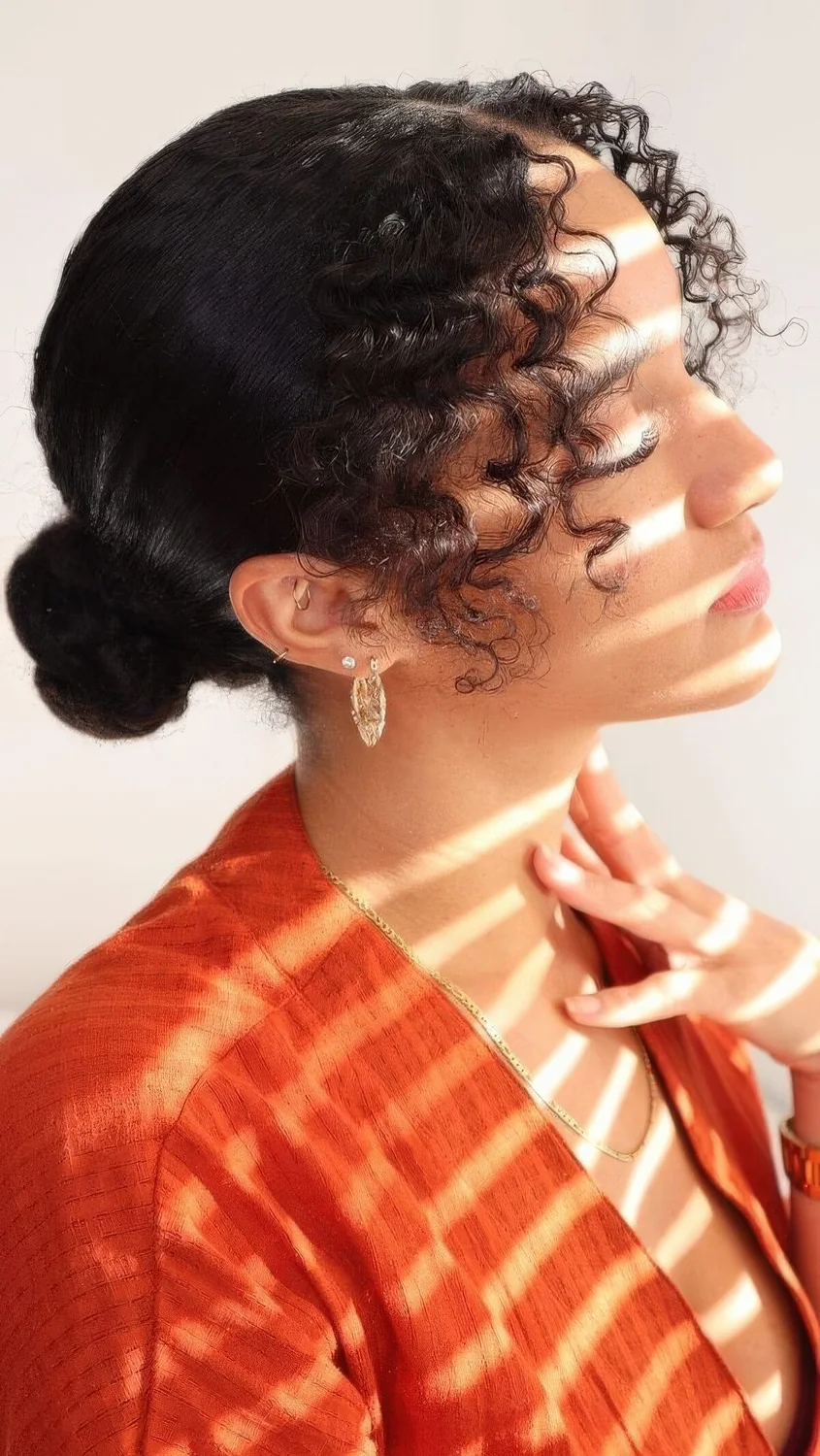 Style inspiration
29+ Curly Hairstyles for Various Occasions
A photo-first guide to curly hairstyles for various occasions, with concise image-specific notes and practical comparison points.