
Product reviews / Everyday hair styling creams
Best Hair Creams for Women: Find Your Styling Routine
Garnier Sleek & Shine is our first pick for everyday smooth lengths. Choose Marc Anthony for blow-dry body, Kitsch for soft air drying, or Cantu when end conditioning matters more than firm hold.

As an Amazon Associate I earn from qualifying purchases, at no extra cost to you. Affiliate disclosure

Everyday smooth lengths
THE SHORTLIST
The products worth a closer look
Garnier Sleek & Shine is our first pick for everyday smooth lengths. Choose Marc Anthony for blow-dry body, Kitsch for soft air drying, or Cantu when end conditioning matters more than firm hold.
Garnier Fructis Sleek & Shine Leave-In Cream
Everyday smooth lengths

Not Your Mother’s All Eyes On Me Cream
One cream for changing routines

Kitsch Smoothing Air Dry Cream
A simple air-dry routine

Olaplex No.6 Bond Smoother
Concentrated smoothing before styling

Marc Anthony Instantly Thick Styling Cream
Blowouts that need more body

Cantu Argan Oil Leave-In Conditioning Repair Cream
Conditioning dry-feeling ends
THE EDITOR'S TAKE
Choose for the finish you want
Garnier Sleek & Shine is our first pick for everyday smooth lengths. Choose Marc Anthony for blow-dry body, Kitsch for soft air drying, or Cantu when end conditioning matters more than firm hold.
A CLOSER LOOK
The full product reviews
Garnier Fructis Sleek & Shine Leave-In Cream
Sleek & Shine keeps the job simple: smooth the lengths after washing, then use a smaller amount for isolated dry flyaways.
Where this formula earns its place
Garnier Sleek & Shine suits the ordinary smoothing job: preparing the lengths after a wash and correcting a few dry flyaways later. Its argan-oil and plant-amino-acid direction is conditioning rather than firm setting. That makes it useful for a loose bob, longer blowout or simple ponytail where the aim is polished movement. The 10.2-fluid-ounce bottle is a leave-in cream, not the matching rinse-out conditioner, and the two are not interchangeable steps.
Working it through the hairstyle
Start on damp mid-lengths and work toward the ends, spreading the cream across both palms first. Lift the top layer to reach the underside of a longer style rather than repeatedly coating the visible front. Once dry, a small amount on an isolated unruly section is more controlled than another full application. Brush or arrange that section in its intended direction; the cream cannot establish a part or root lift on its own.
What to expect from the finish
This is the sensible choice when smoothing is needed but a stiff surface is not. Keep the roots lighter when volume matters, and do not treat the complete-range multi-day claim as a guarantee from this bottle alone. It adds a conditioning styling layer; it does not cleanse hair or permanently repair split ends.
What stands out
- Damp preparation and dry touch-ups share one bottle.
- Length-focused placement keeps the smoothing task separate from root lift.
The trade-offs
- Not the best choice for a rigid sculpted shape.
Our verdict A useful everyday smoothing cream for flowing lengths and selective dry corrections.
Using it in your routine
Distribute through damp lengths; reserve a much smaller amount for a dry flyaway correction.
Consider another option if: Choose a setting gel if the hairstyle needs firm support.
Not Your Mother’s All Eyes On Me Cream
All Eyes On Me suits changing styling routines when you want soft hold from one cream rather than separate preparations for every day.
Where this formula earns its place
All Eyes On Me is the cream edition of the Not Your Mother’s range, rather than the spray or wax stick with a similar name. Its soft-hold formulation permits air drying, blowout preparation and finishing on damp or dry hair. That flexibility is useful when your weekly routine changes: a natural texture day and a brushed blowout do not require the same handling even if the bottle stays the same. Berry-vanilla fragrance is part of the formula choice.
Working it through the hairstyle
For air drying, spread a small portion through the sections whose texture you want to keep and arrange them before leaving them to dry. For a blowout, distribute the damp preparation before the brush-and-dryer stage. A dry correction is narrower: smooth the loose strands around a finished part or the ends without coating the entire style again. The permitted uses describe alternatives, not a requirement to add a full dose at every stage.
What to expect from the finish
The brand states thermal protection for this cream, but that is not permission to use maximum heat or a hot tool on damp hair. Keep tool instructions and hair condition in the decision. Soft hold is its practical limit: choose it for touchable shaping and routine flexibility, not the support of an extreme-hold gel. The smaller tube also makes controlled portions easier than a large automatic scoop.
What stands out
- Damp and dry use accommodates different styling stages.
- Soft hold fits loose texture rather than a rigid set.
The trade-offs
- Berry-vanilla fragrance will not suit an unscented preference.
Our verdict A flexible cream for someone who alternates air drying, blowouts and small finishing corrections.
Using it in your routine
Choose the air-dry, blow-dry or finishing stage and apply a small amount for that job.
Consider another option if: Avoid it when fragrance-free styling or very firm hold is essential.
Kitsch Smoothing Air Dry Cream
Kitsch emphasizes soft air-dried movement, with length-focused application keeping the conditioning layer away from roots that need lift.
Where this formula earns its place
Kitsch Smoothing Air Dry Cream makes most sense when you want to leave the dryer out of the routine. Castor oil, coconut oil, squalane and panthenol accompany its lightweight-hold direction. Its role is helping arrange existing waves, curls or straight lengths into a softer finish; it cannot turn straight strands into a permanent curl pattern. The 5.3-ounce tube offers a conditioning styling step rather than the locked surface of a gel cast.
Working it through the hairstyle
Rub a small amount between the palms and distribute through the mid-lengths and ends. Expose the underneath sections on a fuller head so the cream does not sit only on the outer canopy. Scrunch a wave you want to preserve, or smooth a straighter section in the direction it will dry. Leave the arranged texture alone while it sets. On dry hair, keep a correction local instead of repeating the complete wash-day layer.
What to expect from the finish
Its soft finish is attractive for movement, but stronger shapes need another source of hold. A rich conditioner underneath can also make a second generous conditioning layer unnecessary. Select it when air-dried shape and a modest dose are the priority, then adjust the next wash-day amount based on how easily the style moves. The heat-free routine, rather than an implied ability to repair heat damage, is the reason to choose it.
What stands out
- Mid-length placement suits soft air-dried movement.
- Damp or dry use allows a localized finishing step.
The trade-offs
- Light hold cannot provide a rigid curl or slick-back set.
Our verdict A good fit for soft air-dried texture with minimal styling equipment.
Using it in your routine
Place a small amount through lengths and arrange or scrunch before air drying.
Consider another option if: Choose stronger hold when a resistant shape needs support.
Olaplex No.6 Bond Smoother
No.6 is the concentrated smoothing option; its smaller format makes restrained distribution more useful than generous coating.
Where this formula earns its place
Olaplex No.6 is a concentrated leave-in styling cream in a 100-milliliter format. It belongs in the preparation or selective finishing stage, rather than as a shampoo, mask or strong-hold gel. That distinction matters when several products from the numbered range are already on the shelf: No.6 supplies smoothing for the hairstyle, not a reason to repeat every treatment step. Choose it when the rougher lengths need controlled preparation while the roots can remain comparatively light.
Working it through the hairstyle
Use the portion specified on your bottle and spread it thoroughly between the palms before distributing through the damp lengths. Reach the underside as well as the outer surface; a concentrated cream applied to just the front can leave the rest of a blowout unevenly prepared. Arrange the chosen style and complete the drying stage. If a dry section needs correction, apply a selective amount there rather than treating a completed hairstyle like freshly washed hair again.
What to expect from the finish
The small concentrated format rewards restrained dosing, especially on fine ends. Bond-focused branding does not mean split ends disappear or that every heat setting becomes appropriate. It also does not replace firm hold when you want a sculptural set. No.6 is the relevant pick for measured smoothing in a styling routine, with conditioning and trimming decisions still separate from the finished appearance.
What stands out
- Concentrated format suits measured length placement.
- The leave-in role fits smoothing before arranging a style.
The trade-offs
- A concentrated dose can be excessive when roots need airy movement.
Our verdict A concentrated length-smoothing option when restraint matters more than a large cream layer.
Using it in your routine
Use the bottle’s recommended amount through damp lengths before styling.
Consider another option if: Choose another product when firm setting rather than smoothing is required.
Marc Anthony Instantly Thick Styling Cream
Instantly Thick is the body-building choice here, with sparse damp application and drying direction working together to arrange a fuller blowout.
Where this formula earns its place
Marc Anthony Instantly Thick targets cosmetic body during styling, not hair growth. Its purpose is especially relevant when a cream review includes both smoothing and fullness: coating everything flat with the wrong direction can undermine a volumizing blowout. The 4.93-ounce styling cream fits a damp preparation followed by drying, rather than a rich leave-in butter for twist-outs. Choose it for existing strands that need a fuller arrangement and workable structure.
Working it through the hairstyle
The maker specifies sparse application through clean damp hair from roots to tips, followed by blow drying. Work that small portion across sections before directing the crown upward or away from the scalp where lift is wanted. The sides may need a different brush angle from the top; body is partly built by that direction. Do not flood the roots in an attempt to create a thicker look. Once the blowout is finished, assess the actual shape before adding another product.
What to expect from the finish
Thickening here is an appearance effect on the hair you have, not an increase in follicles. The required blow-dry stage also makes it a less natural first choice for someone who only air dries. Use it when body is the missing part of the routine, while retaining a separate heat-protection decision based on the exact label and tool. A dry flyaway correction may call for a finishing cream rather than more volumizing preparation.
What stands out
- Directions connect the cream to a body-building blow-dry routine.
- Sparse application keeps the fullness task distinct from rich conditioning.
The trade-offs
- The intended routine requires blow drying.
Our verdict The clearest choice here for preparing a fuller blowout rather than simply smoothing lengths.
Using it in your routine
Apply sparingly to clean damp hair and direct the roots while blow drying.
Consider another option if: Skip it if your priority is a heat-free rich curl-conditioning step.
Cantu Argan Oil Leave-In Conditioning Repair Cream
The argan Cantu cream fits end-first conditioning when the lengths need a richer leave-in than a small finishing touch.
Where this formula earns its place
Cantu Argan Oil Leave-In Conditioning Repair Cream is the conditioning-heavy alternative in this selection. Its 16-ounce jar suits sectioned placement on lengths that need more than a small finishing touch. This is the argan edition, separate from Cantu’s coconut curling cream and other leave-ins. The useful distinction is the end-first conditioning routine: start where the lengths need softness rather than treating every scalp and root as equally thirsty.
Working it through the hairstyle
For leave-in use, follow the damp-hair directions by starting at the ends and distributing toward the roots. Part longer or denser hair into manageable panels so the cream reaches the underside without a large second layer over the top. Detangle gently with support above a knot; adding cream is not a reason to pull harder. After arrangement, leave the conditioning layer in. If choosing another permitted treatment mode, follow that mode’s instructions instead of blending rinse-off and leave-in amounts.
What to expect from the finish
A richer cream may be unnecessary on a fine style that already has enough conditioning. Repair wording also does not mean split ends are permanently rejoined. This is a practical end-conditioning choice, not a substitute for a gel when twists or a slick shape need firmer support. Keep the scoop controlled and the jar clean; the large format should not determine the amount used on any single section.
What stands out
- End-first directions target the lengths needing conditioning.
- A larger jar suits repeated sectioned leave-in use.
The trade-offs
- Rich conditioning can be too much for a light, lifted fine-hair finish.
Our verdict A richer leave-in for end-first conditioning, with the dose tailored to the actual lengths.
Using it in your routine
Begin on damp ends and distribute toward roots as directed for leave-in use.
Consider another option if: Use less or choose a lighter cream when the lengths are already well conditioned.
EVERYDAY DETAILS
What matters in everyday use
Routine
Identify air drying, blowout preparation or dry correction.
Finish
Separate movement and smoothing from firm setting.
Placement
Give ends and roots the amount each actually needs.
Product photographs: Amazon. Certain content that appears on this site comes from Amazon. This content is provided “as is” and is subject to change or removal at any time.
Start with the job your hairstyle needs
A smoothing cream can suit a loose bob or longer blowout, while a richer leave-in may fit textured lengths needing conditioning. Someone seeking lift should consider a preparation designed around a blow-dry routine rather than assuming every cream is equally volumizing.
Keep multiple styling stages deliberate
A product permitting damp and dry use does not need a generous layer at both stages. Prepare the lengths on wash day, then use a smaller local correction only where the finished hairstyle calls for it.
GOOD TO KNOW
Questions about the routine
Does women’s hair require a special cream?
Choose for your strands, scalp preferences and styling routine. The gender label does not determine hold, fragrance or conditioning needs.
Can cream replace gel?
A soft cream usually supplies conditioning or flexible shape. A style needing firm setting may need a gel instead.
Bella Ross curates practical hairstyle ideas for everyday cuts, braids, color inspiration, and simple styling routines.
Our editorial policySTYLE IT YOUR WAY
A little styling inspiration
 Product reviews
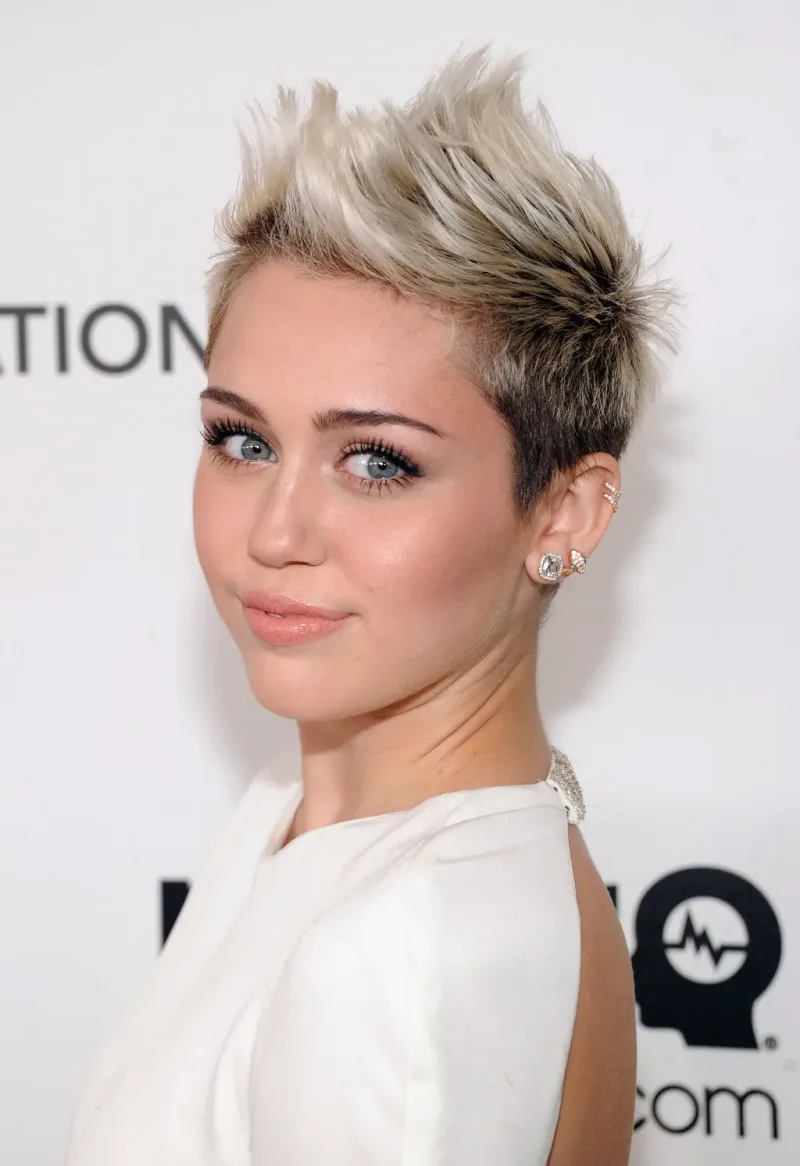
Best Hair Creams for Fine Hair: Body Without Overload
Marc Anthony Instantly Thick is our first pick when fine hair needs blow-dry body. Kitsch serves softer air-dried movement, while the smoothing creams fit lengths that need polish without unnecessary root coating.
 Product reviews
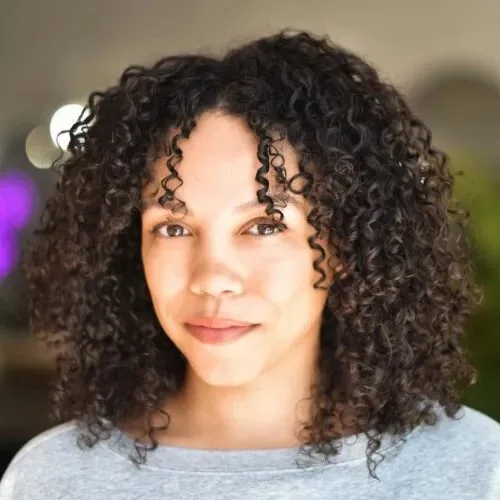
Best Hair Creams for Thick Hair: Control and Movement
Moroccanoil Hydrating Styling Cream is our first pick for soft length-focused smoothing. Maui suits richer curl conditioning, Rolda provides more definite shiny shape, and Highland favors loose matte movement over strong hold.
 Product reviews
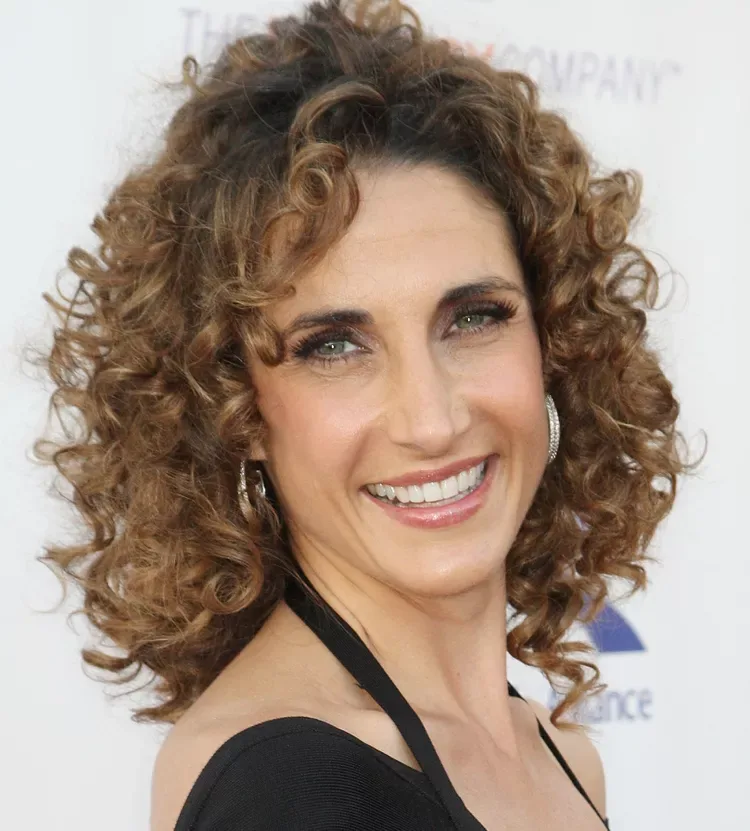
Best Hair Creams for Frizzy Hair: Prep and Touch-Ups
John Frieda Secret Weapon is our first pick for dry flyaway corrections. For a new wash-day routine, Garnier, Olaplex and Redken provide different preparation options; Kitsch suits a soft air-dried finish.