
Product reviews / Low-porosity gel routines
Best Gels for Low-Porosity Hair: Control the Layers
Curl Jelly is our first pick for length-focused medium hold. Big Poppa provides a clean-start routine, while richer Mielle and Aunt Jackie’s options make sense only when the lengths need that conditioning direction.

As an Amazon Associate I earn from qualifying purchases, at no extra cost to you. Affiliate disclosure

Length-focused medium hold
THE SHORTLIST
The products worth a closer look
Curl Jelly is our first pick for length-focused medium hold. Big Poppa provides a clean-start routine, while richer Mielle and Aunt Jackie’s options make sense only when the lengths need that conditioning direction.
Umberto Giannini Curl Jelly
Length-focused medium hold

The Doux Big Poppa
A product-free soaking-wet reset

Ouidad Climate Control Stronger Hold
More structure without extra cream

Garnier Fructis Pure Clean Gel
A silicone-free general setting option
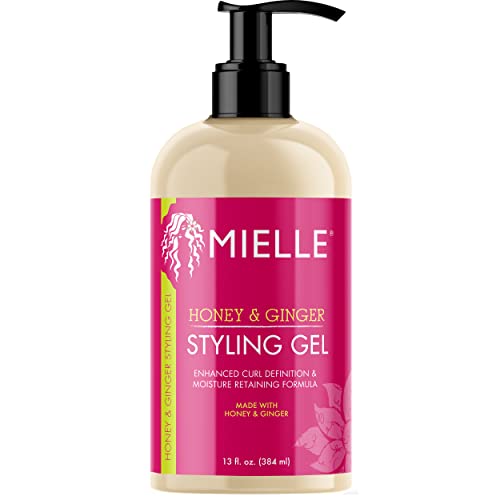
Mielle Honey & Ginger Styling Gel
Conditioning when the ends need it

Aunt Jackie’s Don’t Shrink
A richer flaxseed curl routine
THE EDITOR'S TAKE
Choose for the finish you want
Curl Jelly is our first pick for length-focused medium hold. Big Poppa provides a clean-start routine, while richer Mielle and Aunt Jackie’s options make sense only when the lengths need that conditioning direction.
A CLOSER LOOK
The full product reviews
Umberto Giannini Curl Jelly
Length-focused medium hold.
Why the routine matters
Curl Jelly is a useful starting point when the practical problem is too many root layers rather than a need for another rich cream. The original jelly’s directions focus on wet mid-lengths and ends, which lets you keep those areas distinct from the crown. Low porosity does not mean every strand is fine or every head needs the same amount. Judge the sections by their actual coated feel and desired hold instead of selecting a formula only from that label.
Control the application
Distribute into the wet lengths, scrunch and then allow air drying or diffusing. Expose the inner panel before adding more: a shiny surface can conceal uneven coverage underneath. Keep a rich leave-in optional if the lengths already feel adequately conditioned, rather than building a stack because each product individually claims to be light. The original jelly forms a setting cast; do not keep touching the hair during drying to check whether the final feel is soft enough.
Judge the dry finish
Wait until fully dry before releasing the cast with dry hands or the small optional oil step the maker describes. Extra oil is unnecessary when the surface already feels coated. The original Curl Jelly is not the separate heat-protective Shine leave-in. Choose it for controlled length placement and medium hold, then use cleansing to reset accumulated layers instead of deciding every heavy-feeling result proves that low-porosity hair cannot use gel. Amount, distribution and what sits underneath remain important.
What stands out
- Mid-length and end placement can leave roots freer.
- Wet distribution and scrunching suit a defined setting cast.
The trade-offs
- The cast must dry before the final softer feel is assessed.
Our verdict A length-focused jelly when medium control and freer roots suit the curl routine.
Using it in your routine
Work through wet mid-lengths and ends, scrunch and complete drying before release.
Consider another option if: Choose another format if you only want a dry surface correction.
The Doux Big Poppa
A product-free soaking-wet reset.
Why the routine matters
Big Poppa’s clean, soaking-wet, product-free starting directions directly address a routine where too many leave-ins and oils have made the surface hard to assess. The attraction is a clear sequence with fewer unknown layers, not a claim that the gel changes porosity. Its conditioning ingredient direction still deserves measured application. Choose it when you are willing to follow the clean-start method rather than applying the same heavy base used with a different gel.
Control the application
Keep the hair soaking wet while working small sections from roots through ends. Reach the inner strands and arrange the curls before moving on, so the later sections do not receive only a surface glaze after they have partly dried. The maker permits solo styling or its particular Mousse Def pairing. That does not establish compatibility with every cream already on the shelf. Start with the instructed routine and change one relevant step when you need to understand the finish.
Judge the dry finish
Leave the set undisturbed until completely dry before fluffing the roots. A low-porosity label is not a reason to keep adding gel when drying is simply incomplete. Judge the actual feel after the intended setting stage. Cleanse an old loaded routine rather than treating this jar as a product that removes residue. Big Poppa makes sense for a disciplined clean reset; it is less suitable when you want to retain several existing oil and butter layers while ignoring the product-free preparation.
What stands out
- Clean soaking-wet product-free hair gives the routine a clear starting point.
- Root-to-end sectioning reaches the curl set’s interior.
The trade-offs
- It is not the intended routine for layering over yesterday’s rich butter.
Our verdict The clean-start choice for a soaking-wet wash-day set with deliberate section control.
Using it in your routine
Start product-free and soaking wet, distribute roots to ends in small panels and dry before fluffing.
Consider another option if: Choose another gel if retaining a heavy base layer is essential.
Ouidad Climate Control Stronger Hold
More structure without extra cream.
Why the routine matters
This is Ouidad’s Stronger Hold edition, distinct from the standard Climate Control gel. It is worth considering when the curls need a firmer setting film but another conditioning cream would be redundant. The wheat-protein and polymer formula provides a particular humidity-control styling direction; porosity alone does not tell you whether those ingredients or the firmer finish suit your routine. Match the full edition name rather than expecting a larger standard-gel amount to act identically.
Control the application
Use the damp-section rake-and-shake technique: distribute through a manageable panel, hold its ends and shake to encourage grouping. Work the section interior before adding more to the visible surface. A carefully distributed layer can be more useful than repeated doses over a rich leave-in. Keep the preparation consistent around the head so a later partly dry section is not mistaken for a different response to the same routine. Let air drying or the permitted diffuser stage complete before assessing the hold.
Judge the dry finish
Stronger hold can be useful when a soft set loses arrangement quickly, but is unnecessary when the desired finish is intentionally loose. Do not keep adding a conditioning layer to soften hair that is still in the drying stage. Choose the amount and cast handling from the actual bottle routine and check its ingredient list for personal preferences. This gel fits a firmer setting task within a restrained routine, rather than a guarantee that every low-porosity curl will behave identically in humidity.
What stands out
- Stronger Hold supplies a more structured Climate Control set.
- Rake-and-shake distribution reaches damp panel interiors.
The trade-offs
- A firmer film may be unnecessary when soft movement is wanted.
Our verdict The firmer Ouidad choice when structured curl arrangement is the point of the routine.
Using it in your routine
Rake through damp panels, shake their ends gently and complete air drying or permitted diffusing.
Consider another option if: Choose standard hold if a barely set flexible finish is preferred.
Garnier Fructis Pure Clean Gel
A silicone-free general setting option.
Why the routine matters
Pure Clean offers a general shaping task with a silicone-free current aloe formulation. That can be a useful preference if you are simplifying the ingredients and products used in a routine, but it does not prove that silicone-free automatically means no surface buildup. Styling gums and polymers still form a film. Select this exact current edition rather than borrowing the previous fruit-wax marketing or treating its clean name as a cleansing product.
Control the application
The maker allows damp or dry use. Spread a small controlled amount through the hands and place it on the areas that need hold. A full wet set, a short polished shape and a localized dry touch-up are different tasks with different coverage. If you are trying to reduce coated-feeling roots, keep the first amount focused on the lengths or the exact shaping area. Distribute before adding another pass so the inner section receives its share without thickening the outer layer repeatedly.
Judge the dry finish
The firmer general-styling direction may be unnecessary for a very soft curl finish. Evaluate after drying rather than deciding the gel is wrong while the hair is still damp and coated. Cleansing remains the reset for accumulated films, even when oils or silicones are absent. Choose Pure Clean for its particular formula preference and damp-or-dry versatility, not a claim that it penetrates low-porosity strands or permanently changes how their cuticle behaves.
What stands out
- Damp or dry use supports distinct shaping stages.
- The current aloe gel provides stronger control without silicones.
The trade-offs
- Extra-strong hold may exceed the needs of loose moving hair.
Our verdict A stronger shaping option for a clearly defined section rather than an automatic full-root coating.
Using it in your routine
Distribute a small amount on the chosen damp or dry area and guide in its intended direction.
Consider another option if: Choose softer hold if preserving airy movement matters more than firm shaping.
Mielle Honey & Ginger Styling Gel
Conditioning when the ends need it.
Why the routine matters
Honey & Ginger contains conditioning ingredients including honey, aloe and babassu oil within a styling gel. That makes it the more moisture-led decision here, useful when dry-feeling lengths still need that direction. Low porosity does not automatically prohibit conditioning oils, but it does make a heavily layered routine worth reassessing when the surface already feels coated. Select this as a specific damp styling or dampened refresh step, not as a guaranteed lightweight result for every head.
Control the application
The maker directs fresh damp hair from root to tip and permits a later refresh after spraying the hair damp again. Distribute through sections before arranging them. Where the roots already feel sufficiently conditioned, do not assume a broad extra cream and this gel both need to be applied generously. The published liberal-amount direction needs to be interpreted with actual section coverage and density, rather than used as a reason to pile more onto one small panel. Follow the purchased bottle.
Judge the dry finish
A pump-style bottle is convenient for separate sections but does not measure a universal dose. Check the dry feel before repeating a whole-head refresh. If several applications have built up, cleansing is more useful than adding another moisture-led gel simply because the hair is called low porosity. Choose Mielle when the ends need conditioning alongside manageable hold, while selecting a less rich option when minimizing that extra layer is the actual goal.
What stands out
- Fresh damp root-to-tip application is clearly specified.
- A later refresh begins by making the hair damp again.
The trade-offs
- Honey-and-ginger conditioning can be redundant over a heavy cream.
Our verdict A damp-styling gel whose refresh step works best as a deliberate re-dampening routine.
Using it in your routine
Distribute through fresh damp sections; dampen again before the directed refresh.
Consider another option if: Choose a leaner film if the existing leave-in already feels rich.
Aunt Jackie’s Don’t Shrink
A richer flaxseed curl routine.
Why the routine matters
Don’t Shrink is relevant when your curls need a conditioning gel direction rather than the leanest possible film. Its flaxseed, shea and olive positioning should be evaluated as a whole formula, not proof that one botanical ingredient solves low porosity. Hair density and strand thickness still affect coverage. A rich jar can work in a measured routine, while becoming less persuasive when it is placed over several unnecessary butters and oils already coating the section.
Control the application
Start with detangled wet panels and distribute through the lengths before shaping the groups. If your current leave-in leaves the ends adequately supple, reconsider whether another conditioning cream belongs underneath this gel. Keep the amount uniform within a section before adding more at the surface. That separates a distribution problem from a formula problem. Allow the set to dry without repeatedly combing it apart, and avoid using additional oil solely to soften hair that has not finished drying.
Judge the dry finish
The large jar supplies repeated wash-day use but does not justify larger scoops automatically. Keep it closed between sections and use clean hands or a pickup tool. The elongating name does not guarantee no curl contraction, and conditioning claims do not establish hair growth. Choose Aunt Jackie’s when this richer setting direction is useful to the actual lengths, while choosing another gel when reducing conditioning weight is the main purpose of changing your low-porosity routine.
What stands out
- Wet sectioning lets the gel reach the interior of curls.
- Its conditioning direction can suit lengths needing more than a lean film.
The trade-offs
- A conditioning-rich base can make another generous layer redundant.
Our verdict A conditioning wet-set gel for lengths that need both arrangement and a richer styling direction.
Using it in your routine
Distribute through detangled wet sections and arrange the curls or twists before drying.
Consider another option if: Choose a leaner gel when the lengths already feel heavily coated.
EVERYDAY DETAILS
What matters in everyday use
Existing residue
Simplify a coated routine before changing several products at once.
Distribution
Reach the section interior rather than loading its surface.
Conditioning need
Dry ends and already coated roots can need different decisions.
Product photographs: Amazon. Certain content that appears on this site comes from Amazon. This content is provided “as is” and is subject to change or removal at any time.
Begin with the real problem
If the hair feels coated before styling, adding another gel cannot cleanse it. Reset and choose a clear preparation sequence. If the ends are simply dry-feeling, a measured conditioning step may still be useful.
Compare complete routines
Keep section size, starting moisture and drying stage consistent when assessing a new gel. Changing all of them alongside several leave-ins makes it difficult to identify what produced the finish.
GOOD TO KNOW
Questions about the routine
Does low porosity mean I must avoid every oil?
No universal rule follows from that label. Choose conditioning for the actual feel of the lengths and avoid redundant layers when the surface already feels coated.
Can gel change my porosity?
These products are reviewed for cosmetic setting and hold, not permanent changes to porosity.
Bella Ross curates practical hairstyle ideas for everyday cuts, braids, color inspiration, and simple styling routines.
Our editorial policySTYLE IT YOUR WAY
A little styling inspiration
 Product reviews
Best Curl Refresher Sprays: Reshape Without Rewashing
Ouidad Botanical Boost is our first pick for a light mist on an existing curl set. Rizos offers a creamier refresh-and-detangle step; Marc Anthony adds a continuous sprayer for longer sections.
 Product reviews
Best Flaxseed Gels: Choose the Formula, Not Just the Seed
Aunt Jackie’s is our first pick for a conditioning curl gel. Aveda suits strong sculpting, while Curlsmith offers a custard-style wet set; flaxseed appears in different forms across these formulas.