
Product reviews / Hairline styling
Edge Brushes: 6 Detailed Product Reviews
An edge brush places a prepared hairline; it is not a detangler. Small heads, comb ends and a tail tool serve different details, while comfortable tension matters more than a perfectly rigid finish.

As an Amazon Associate I earn from qualifying purchases, at no extra cost to you. Affiliate disclosure

Local hairline placement with clean tools
THE SHORTLIST
The six products at a glance
Different working designs for small, controlled movements at the hairline.
Our first pick
KISS Colors & Care Edge Styler Plus
Local hairline placement with clean tools
Pick 2

Red by Kiss Ultimate Edge Fixer Brush
Local hairline placement with clean tools
Pick 3

Geiserailie Three-Piece Slick-Back Set
Local hairline placement with clean tools
Pick 4

Foxi Fresh Double-Sided Edge Brush Duo
Local hairline placement with clean tools
Pick 5

Six-Pack Double-Sided Edge Brushes
Local hairline placement with clean tools
Pick 6

SWEET VIEW Slick-Back Three-Piece Set
Local hairline placement with clean tools
THE EDITOR'S TAKE
The details that matter in daily use
An edge brush places a prepared hairline; it is not a detangler. Small heads, comb ends and a tail tool serve different details, while comfortable tension matters more than a perfectly rigid finish.
A CLOSER LOOK
The full product reviews
Our first pick
KISS Colors & Care Edge Styler Plus
- Working format
- Brush, fine comb and pin tail
- Controls
- Rubber grip and protective case
The three ends separate placement, smoothing and parting. The case is useful after cleaning and drying, particularly if edge product would otherwise transfer into a makeup bag.
Three ends with different jobs
The three ends separate placement, smoothing and parting. The case is useful after cleaning and drying, particularly if edge product would otherwise transfer into a makeup bag.
KISS combines a brush, fine comb and pin tail with a grip and protective case. Use the tail to establish a part before arranging the hairline, then the small brush to move the prepared surface into position. The fine comb can separate a little piece for a curve; it should not become the first detangler on a knot. Keep the pin tail away from skin while changing grip.
The case is the useful distinction for a bag, provided the tool has been cleaned and dried before closing it. Gel left at the fine teeth can transfer even when the brush surface looks clean. Choose this if one tool covering three detail jobs is easier to manage than separate pieces. The compact ends still leave broad ponytail smoothing to a larger brush.
After the session
Cleaning KISS Colors & Care Edge Styler Plus means removing dried gel or edge product from the brush, fine comb and pin tail before another styling session. Follow the material-specific washing directions, clear loose hairs and allow the tool to dry before storing it. Do not leave a damp, product-coated brush inside a case or bag where the residue transfers to other items and returns to the next fresh style.
What stands out
- Brush, fine comb and pin tail
- Rubber grip and protective case
The trade-offs
- Fine teeth are for arranging a prepared hairline, not pulling through a tangled section.
Our verdict Choose this if one tool covering three detail jobs is easier to manage than separate pieces. The compact ends still leave broad ponytail smoothing to a larger brush.
Using it in your routine
Prepare the main section first. Use the brush, fine comb and pin tail for small visible movements, then remove styling residue and dry before storing.
Consider another option if: Fine teeth are for arranging a prepared hairline, not pulling through a tangled section.
Pick 2
Red by Kiss Ultimate Edge Fixer Brush
A small bristle head concentrates on arranging short hairline pieces. It gives up broad coverage so you can keep the motion local instead of brushing the entire front section every time one detail needs adjustment.
A small natural-bristle finishing head
A small bristle head concentrates on arranging short hairline pieces. It gives up broad coverage so you can keep the motion local instead of brushing the entire front section every time one detail needs adjustment.
The Red by Kiss focuses on a small boar-bristle head. That is useful when the intended movement is local, such as arranging a short temple section without brushing the entire front. Prepare the larger section first, then guide the bristles along the hairline surface. A small head helps you see placement, but hold still comes from the styling product and the way the hair has been arranged.
Dense bristles need residue removal between sessions. Work product out of the bristle bases according to the material directions rather than scraping hard or leaving a coated brush to dry. Choose this tool for a focused finishing step if natural bristles suit your preferences; choose a set with a separate tail comb if precise parting is also a recurring job.
After the session
Cleaning Red by Kiss Ultimate Edge Fixer Brush means removing dried gel or edge product from the small boar-bristle brush before another styling session. Follow the material-specific washing directions, clear loose hairs and allow the tool to dry before storing it. Do not leave a damp, product-coated brush inside a case or bag where the residue transfers to other items and returns to the next fresh style.
What stands out
- Small boar-bristle brush
- Precision brush head
The trade-offs
- Dense bristles collect styling residue and need cleaning between uses.
Our verdict Work product out of the bristle bases according to the material directions rather than scraping hard or leaving a coated brush to dry. Choose this tool for a focused finishing step if natural bristles suit your preferences; choose a set with a separate tail comb if precise parting is also a recurring job.
Using it in your routine
Prepare the main section first. Use the small boar-bristle brush for small visible movements, then remove styling residue and dry before storing.
Consider another option if: Dense bristles collect styling residue and need cleaning between uses.
Pick 3
Geiserailie Three-Piece Slick-Back Set
Separate pieces let a broad brush smooth the main section while a smaller tool places the edges. That is the practical reason for the set; one dense brush should not be forced to do detangling, parting and finishing at once.
Broad smoothing before edge detail
Separate pieces let a broad brush smooth the main section while a smaller tool places the edges. That is the practical reason for the set; one dense brush should not be forced to do detangling, parting and finishing at once.
Geiserailie separates the broader slick-back brush from the smaller detail tools. Start with detangled hair, arrange the main section toward its fastening point, then use the small tool only on the hairline. Keeping that sequence prevents an edge brush from becoming the tool that drags the whole ponytail tighter.
A three-piece set earns its place if those separate sizes are all useful. It creates more pieces to clean and store than a double-ended edge brush, so keep the detail tool accessible rather than loose beneath the broad brush. Check the smaller comb edges before using them. This is the more complete routine option when you need both a smooth main outline and local curves, rather than only an occasional temple adjustment.
After the session
Cleaning Geiserailie Three-Piece Slick-Back Set means removing dried gel or edge product from the bristle brush and detail tools before another styling session. Follow the material-specific washing directions, clear loose hairs and allow the tool to dry before storing it. Do not leave a damp, product-coated brush inside a case or bag where the residue transfers to other items and returns to the next fresh style.
What stands out
- Bristle brush and detail tools
- Separate tools
The trade-offs
- Several pieces require more cleaning and storage than a single double-ended tool.
Our verdict Check the smaller comb edges before using them. This is the more complete routine option when you need both a smooth main outline and local curves, rather than only an occasional temple adjustment.
Using it in your routine
Prepare the main section first. Use the bristle brush and detail tools for small visible movements, then remove styling residue and dry before storing.
Consider another option if: Several pieces require more cleaning and storage than a single double-ended tool.
Pick 4
Foxi Fresh Double-Sided Edge Brush Duo
The brush arranges the surface while the comb separates a small prepared piece. Two tools can be useful for keeping one at home and another in a bag, as long as product is removed before storing either one.
A pair for home and a bag
The brush arranges the surface while the comb separates a small prepared piece. Two tools can be useful for keeping one at home and another in a bag, as long as product is removed before storing either one.
Foxi Fresh supplies two seven-inch double-sided tools with brush and comb ends. The duplication is useful for separate storage locations or separate users, not two different styles of hold. Arrange a prepared hairline with the brush, then turn the handle for the fine comb when a small piece needs separation. Neither end belongs in an unresolved knot.
Keep the travel copy dry and clean before putting it back in a bag, particularly at the comb teeth where dried gel can remain less visible than on the bristles. Choose the duo if two locations genuinely help your routine. If one tool stays beside the mirror permanently, a single three-ended brush may provide more useful variation than two copies of the same basic working shape.
After the session
With the Foxi Fresh duo, the brush and comb ends both need residue removal before a tool goes back into its bag. Clear gel from between the fine teeth instead of washing only the bristle surface, and allow each piece to dry. Keep the spare clean rather than treating a second brush as a reason to postpone cleaning the first.
What stands out
- Brush and comb ends
- Two separate tools
The trade-offs
- The second brush adds convenience, not evidence of stronger hold or gentler styling.
Our verdict Choose the duo if two locations genuinely help your routine. If one tool stays beside the mirror permanently, a single three-ended brush may provide more useful variation than two copies of the same basic working shape.
Using it in your routine
Prepare the main section first. Use the brush and comb ends for small visible movements, then remove styling residue and dry before storing.
Consider another option if: The second brush adds convenience, not evidence of stronger hold or gentler styling.
Pick 5
Six-Pack Double-Sided Edge Brushes
A multipack makes sense when several people need separate tools. Assess each tool’s bristle ends and comb edges before use; a greater number of pieces does not make rough plastic or excessive hairline tension acceptable.
Individual tools for a shared household
A multipack makes sense when several people need separate tools. Assess each tool’s bristle ends and comb edges before use; a greater number of pieces does not make rough plastic or excessive hairline tension acceptable.
The six-pack is a quantity choice. Its most sensible role is giving several people their own brush-and-comb detail tool rather than encouraging one person to accumulate six near-identical working heads. Assign pieces separately, inspect each bristle end and molded comb edge, and set aside any rough or damaged tool.
Extra copies do not make a style gentler or more precise. Prepare the hairline, use light local movement, and clean each tool after its own use rather than returning a coated piece to a shared container. This pack makes sense for multiple users or storage points. For one personal routine, a better-documented single tool can be the more useful purchase, especially when material details matter to you.
After the session
Clean each of the six-pack tools after its own use and keep individual pieces separate if they belong to different people. Dried styling product between the comb teeth can transfer into a fresh hairline even when the bristles look clean. Let the cleaned tool dry before returning it to a container with the other copies.
What stands out
- Brush and comb ends
- Multipack format
The trade-offs
- Extra copies are wasteful if you only use one tool, and precise material documentation is limited.
Our verdict This pack makes sense for multiple users or storage points. For one personal routine, a better-documented single tool can be the more useful purchase, especially when material details matter to you.
Using it in your routine
Prepare the main section first. Use the brush and comb ends for small visible movements, then remove styling residue and dry before storing.
Consider another option if: Extra copies are wasteful if you only use one tool, and precise material documentation is limited.
Pick 6
SWEET VIEW Slick-Back Three-Piece Set
The different heads suit different areas: broader smoothing through the main section and smaller placement at the hairline. Keep the detail brush local instead of using it to tug a tightly secured ponytail into place.
Choosing the size before touching the hairline
The different heads suit different areas: broader smoothing through the main section and smaller placement at the hairline. Keep the detail brush local instead of using it to tug a tightly secured ponytail into place.
SWEET VIEW gives broader smoothing and smaller detail formats separate roles. Use the larger brush while the main section is still being arranged, then keep the edge tool local after fastening. If the ponytail feels too tight, loosen and reset it instead of using the small brush to pull more hair into the elastic.
The distinction is helpful when you routinely make a sleek outline and then small hairline curves. It adds no hold by itself, so choose the styling product for the finish you want and remove residue from each head afterward. Store the small pieces together without closing away damp bristles. Choose this set if both working sizes matter; skip the extra parts if all you need is a double-ended edge brush.
After the session
Cleaning SWEET VIEW Slick-Back Three-Piece Set means removing dried gel or edge product from the smoothing brush and detail tools before another styling session. Follow the material-specific washing directions, clear loose hairs and allow the tool to dry before storing it. Do not leave a damp, product-coated brush inside a case or bag where the residue transfers to other items and returns to the next fresh style.
What stands out
- Smoothing brush and detail tools
- Separate brush formats
The trade-offs
- Tools do not create hold by themselves; the style still depends on product choice and comfortable tension.
Our verdict Store the small pieces together without closing away damp bristles. Choose this set if both working sizes matter; skip the extra parts if all you need is a double-ended edge brush.
Using it in your routine
Prepare the main section first. Use the smoothing brush and detail tools for small visible movements, then remove styling residue and dry before storing.
Consider another option if: Tools do not create hold by themselves; the style still depends on product choice and comfortable tension.
EVERYDAY DETAILS
What matters in everyday use
For this review, we prioritized small, controlled movements at the hairline. Manufacturer performance promises are treated as claims; the purchase judgments focus on the documented design and how it fits the routine.
Detail access
Brush size, comb separation and product cleanup
Control and placement
A working head you can place deliberately, with controls that are clear during the session.
Care and storage
The practical work required to clean, cool when needed, and keep the tool ready for its next session.
Product photographs: Amazon. Certain content that appears on this site comes from Amazon. This content is provided “as is” and is subject to change or removal at any time.
A workable section comes first
Add a little styling product at a time. A brush packed with dried residue can leave the hairline feeling sticky and force extra brushing that the style does not need.
GOOD TO KNOW
Questions about this styling routine
Can an edge brush detangle the front section?
Detangle and prepare the main section first. An edge brush is for local placement and smoothing, and its fine comb end should not be pulled through a knot.
Is a three-piece set more useful than a double-ended brush?
A set can help if you use a broad brush for the main slick-back section and a small tool for the hairline. For occasional local adjustments, one double-ended brush is simpler to clean and store. Extra pieces do not create stronger hold.
Bella Ross curates practical hairstyle ideas for everyday cuts, braids, color inspiration, and simple styling routines.
Our editorial policySTYLE IT YOUR WAY
A little styling inspiration
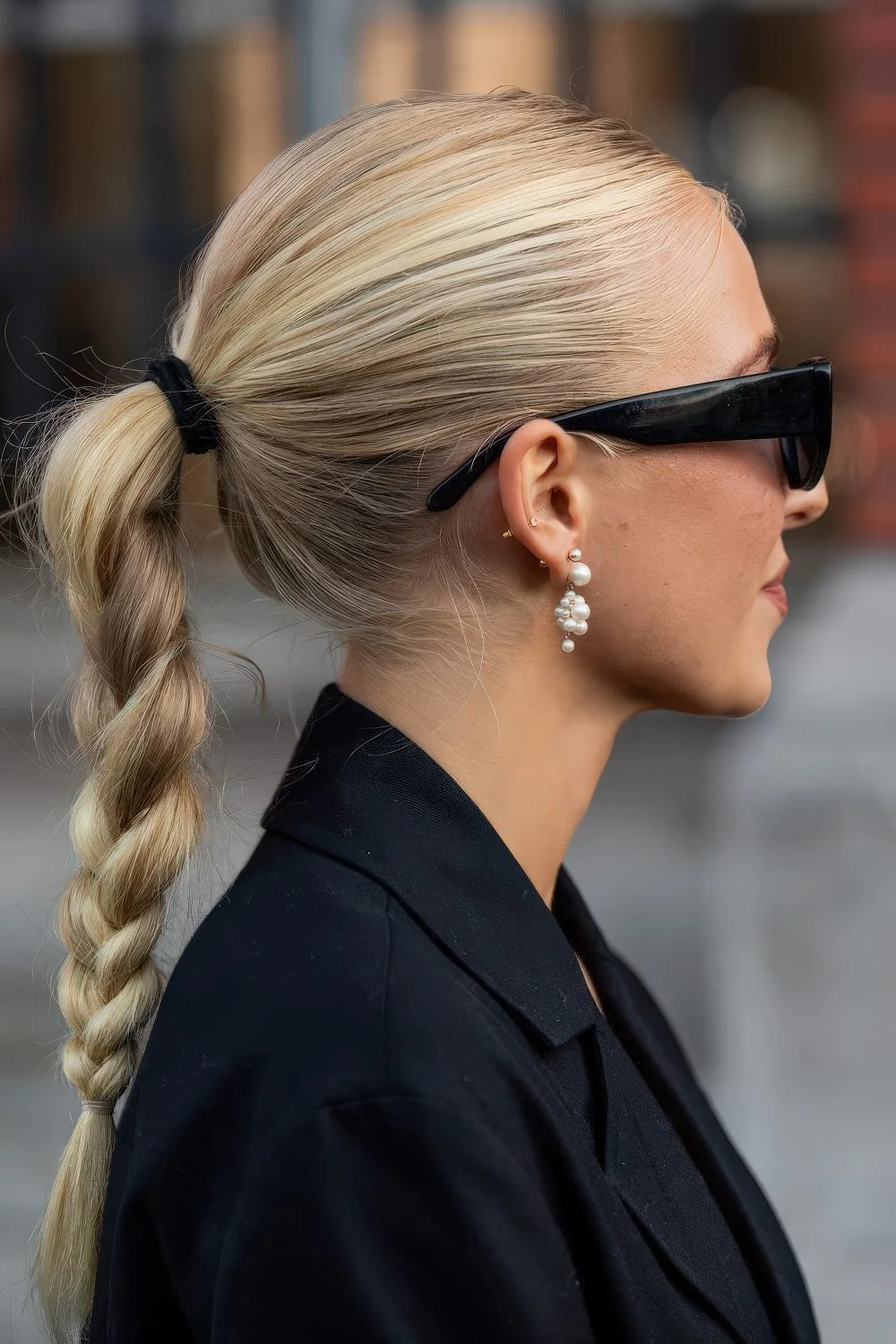 Style inspiration
22 Slick Back Braids
A photo-first guide to slick back braids, with concise image-specific notes and practical comparison points.
 Style inspiration
24+ Low Ponytail Hairstyles and Styling Ideas
A photo-first guide to low ponytail hairstyles, from sleek nape ponytails and soft waves to curly texture, bridal accents, ribbons, cuffs, and easy everyday styling.
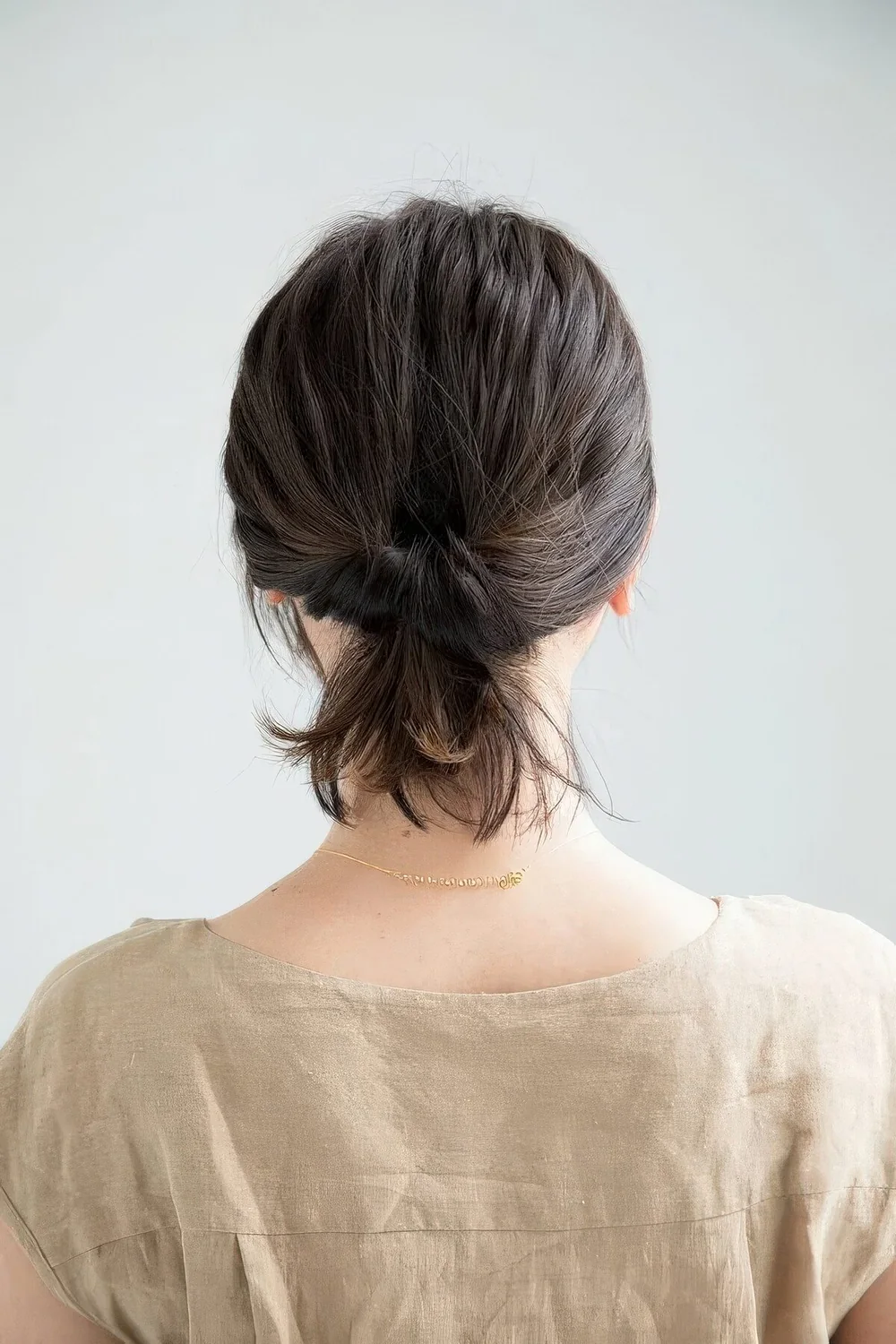 Style inspiration
28+ Fast and Easy Short Hair Ponytails
A photo-first guide to fast and easy short hair ponytails, with concise image-specific notes and practical comparison points.