
Product reviews / Long-hair detangling sprays
Best Detangling Sprays for Long Hair: Ends First
Long hair needs slip all the way through the underside, not just a glossy outer layer. PRAVANA Intense Therapy suits a shake-and-mist preparation; Marc Anthony and Garnier offer different routes for tangled ends.

As an Amazon Associate I earn from qualifying purchases, at no extra cost to you. Affiliate disclosure

Bi-phase length preparation
THE SHORTLIST
The products worth a closer look
Long hair needs slip all the way through the underside, not just a glossy outer layer. PRAVANA Intense Therapy suits a shake-and-mist preparation; Marc Anthony and Garnier offer different routes for tangled ends.
PRAVANA Intense Therapy Leave-In
Bi-phase length preparation

Marc Anthony Grow Long Leave-In
Long damp lengths

Garnier Curl Knot Melter
Long curls before washing

L’Oréal EverPure 21-in-1 Leave-In
Color-treated long hair

Pacifica Coconut Milk Detangle Elixir
Silicone-free long lengths
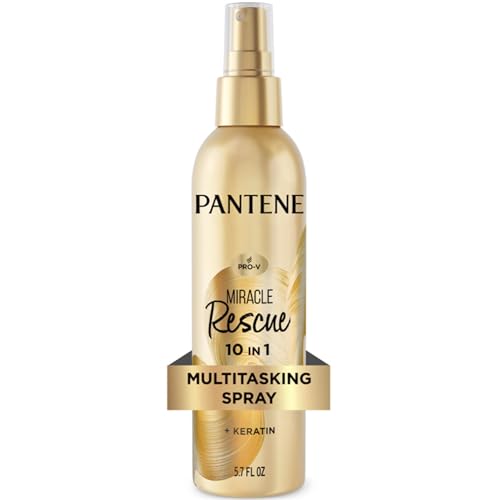
Pantene Miracle Rescue 10-in-1 Spray
One primer before long-hair heat styling
THE EDITOR'S TAKE
Choose for the finish you want
Long hair needs slip all the way through the underside, not just a glossy outer layer. PRAVANA Intense Therapy suits a shake-and-mist preparation; Marc Anthony and Garnier offer different routes for tangled ends.
A CLOSER LOOK
The full product reviews
PRAVANA Intense Therapy Leave-In
Intense Therapy needs shaking before misting its bi-phase preparation through the long lengths and ends.
Mix the bottle before the long section
Intense Therapy is a two-phase leave-in: PRAVANA specifically directs you to shake the bottle before misting the lengths and ends. That small preparation step matters more on long hair because several panels may be treated in one session. Mix before the first panel and maintain an even distribution rather than letting the separated bottle determine which phase reaches a particular area. The 10.1-fluid-ounce edition provides a conventional full-size supply.
Slip belongs underneath as well as outside
Bring a section forward, expose the underside and mist where the comb will actually pass. Long hair can look smooth on top while carrying a knot at the collar line or through the final few inches. Start at the lower catch, support the hair above it and work upward in stages. PRAVANA also positions the leave-in as useful for sectioning, which fits this routine better than treating it as a final shine spray over an already completed style.
Conditioning plus heat preparation needs limits
The brand lists thermal protection among the product functions, but that is not a reason to increase dryer heat or use a flat iron on damp hair. Detangle first, then dry and style according to the tool instructions. The formula includes conditioning silicones, a relevant preference for readers following a silicone-free routine. Choose Intense Therapy for a mixed-phase length primer with directed placement, not for a guarantee that every long-hair knot will release without patient preparation.
What stands out
- Maker directions focus on lengths and ends.
- The bi-phase mist is left in rather than rinsed away.
The trade-offs
- Skipping the shake changes how the separated formula is dispensed.
Our verdict The shake-to-mix format is a practical choice for conditioning long lengths before sectioning and styling.
Using it in your routine
Shake to combine both phases, mist lengths and ends, then detangle and leave in.
Consider another option if: Choose another format if you are unlikely to mix the phases before each application.
Marc Anthony Grow Long Leave-In
Grow Long’s post-wash spray format can reach the lower panels and underside before a long-hair comb-through.
Long hair benefits from visible coverage
Grow Long’s wet-or-damp leave-in routine makes sense after washing when you can divide the lengths and see where conditioner has reached. Bring one panel over the shoulder, mist its underside and lower lengths, then spread through with the hands. A glossy outer coating does not show whether a hidden nape section is prepared. The product is most useful when chosen for that detangling job rather than for the promise suggested by its name.
Work below the first knot
With long hair, a root-to-end comb stroke can collect several catches into one stop. Hold above the lowest tangle and ease the ends apart first. Once that portion releases, move the working hand higher and repeat. If more conditioner is needed, add it to the resistant area instead of respraying the whole crown. This placement is particularly relevant when the ends are drier than newer growth and should receive a different amount.
Leave-in supply does not decide the daily amount
The conditioner stays in the lengths, so a later cream or oil adds to the layer rather than replacing it. On a wash day that ends in braids, you may need slip without a heavy surface finish; before a blowout, the separate heat-preparation requirements still apply. Choose Grow Long when a straightforward damp-hair spray fits the preparation sequence. It cannot permanently reunite a split end or make pulling through an unresolved knot a sensible shortcut.
What stands out
- The post-wash routine is easy to integrate.
- A spray can reach long underside panels without a large scoop of cream.
The trade-offs
- A growth-oriented name is not evidence of faster growth.
Our verdict A simple leave-in for covering the lower lengths before a long-hair comb-through.
Using it in your routine
Spray wet or damp lengths, bring panels forward and detangle from the ends upward.
Consider another option if: Do not rely on the spray alone for heavily matted hair.
Garnier Curl Knot Melter
Knot Melter lets long curly sections be organized before shampooing when that is the most useful detangling stage.
Pre-wash is a meaningful option for long curls
Knot Melter allows application before shampooing to loosen tangles, after rinsing before styling, or between washes. For long curly hair, the first option is particularly useful to consider when the lower lengths are already entangled before the shower. Organizing those panels beforehand can make the subsequent cleansing sequence easier to plan. The milk stays within a conditioning-and-detangling role; it is not a replacement for careful hand separation.
Let the mist travel down the panel
Garnier directs application through mid-lengths and ends. Bring a long panel within reach and expose both sides, keeping the section supported while you ease out its lowest knot. Dense hair may need more panels to reveal the interior, whereas fine long hair may need less formula at each point. Those are different adjustments. Adding a large amount to the outer layer does not guarantee that the underside has received any useful slip.
Decide which stage earns its place
If you apply this before washing and the lengths are comfortably conditioned afterward, assess whether another leave-in layer is necessary before using it again. On a dry refresh, direct a smaller amount at the particular tangled area rather than recreating the wash-day coverage. The coconut-oil conditioning direction is helpful for some lengths but may feel excessive when roots are already loaded. Choose the flexible timing because it solves a real long-hair problem, not because three uses mean three automatic applications.
What stands out
- Permits detangling before shampooing.
- Also works as a post-wash leave-in when that is the preferred stage.
The trade-offs
- Repeated use before and after washing can add more product than the routine needs.
Our verdict Its pre-wash option is useful when long curly lengths need organizing before water and shampoo.
Using it in your routine
Shake and mist the exposed mid-lengths and ends; release knots before beginning the next panel.
Consider another option if: Avoid treating every possible application stage as compulsory.
L’Oréal EverPure 21-in-1 Leave-In
EverPure begins with clean damp hair and a comb-through preparation, making it a wash-day rather than fully dry-knot routine.
A damp-hair color-care primer
EverPure Moisture 21-in-1 is most relevant when long color-treated lengths need a leave-in after shampoo and conditioner. L’Oréal’s product directions specify clean damp hair, followed by combing through and leaving it in. That is a more useful boundary than the number of benefits on the name: this bottle fits the wash-day preparation stage rather than serving as an unrestricted dry-hair spray.
Reach the older, drier ends deliberately
Long colored lengths can need different conditioning placement from the root area. Expose a panel, distribute the spray through its underside and ease the tips apart before moving higher. Avoid another pass over the crown every time an end catches. Once tangles are removed, keep the next styling products proportionate to the existing leave-in layer, especially if you want movement rather than a heavily smoothed finish.
Many benefits are still one conditioning layer
The formula has an almond-blossom and creamy-musk fragrance direction, a preference that matters during repeated long-hair application. Its color-care positioning does not establish that damaged lengths become identical to untouched hair. For a blowout, resolve tangles before brush tension and keep heat appropriate to the hair and tool. Choose EverPure for a clean damp color-care routine, with a separate dry refresh product when between-wash knotting is the main problem.
What stands out
- The maker specifies a clean damp starting point.
- Comb-through application supports even long-length coverage.
The trade-offs
- This is not the best fit for a routine centered on spraying fully dry knots.
Our verdict A color-care preparation for clean damp lengths before a long-hair styling session.
Using it in your routine
Mist clean damp hair, work through the lengths and leave in before styling.
Consider another option if: Choose a verified dry-hair detangler if most tangles happen between washes.
Pacifica Coconut Milk Detangle Elixir
Coconut Milk Detangle Elixir provides leave-on conditioning with a silicone-free formula for the longer sections.
Formula preference without pretending it is weightless
Pacifica’s Coconut Milk Detangle Elixir is a silicone-free leave-on conditioning spray. That is a real reason to select it when you want a detangling layer that follows a silicone-free routine. It is not evidence that long fine hair cannot be weighed down by an excessive amount. Start with the area that needs slip, then evaluate coverage before treating the full length equally.
Long panels need access rather than force
Move a manageable panel in front of the shoulder and expose the tangled underside. Work the elixir through the lower lengths before beginning a comb stroke, keeping a supporting hand above the resistant section. Collar-line knots and dry tips can need separate attention. If the comb stops, reposition and separate that catch instead of repeatedly brushing through all the released hair above it.
Separate conditioning from styling hold
The leave-on layer can prepare the lengths, but a braid, loose blowout and air-dried wave may need different products afterward. A spray that improves slip does not necessarily provide lasting shape control. Consider fragrance and the finished conditioning level alongside the silicone preference. Choose Coconut Milk Detangle Elixir when those preferences align with your regular length-care routine, rather than as a guarantee that every knot or old damage will disappear after misting.
What stands out
- Provides leave-on conditioning alongside detangling.
- The silicone-free formulation offers a clear selection difference.
The trade-offs
- Silicone-free does not mean any amount will feel weightless on fine hair.
Our verdict A silicone-free conditioning option when the long lengths need slip without changing that formula preference.
Using it in your routine
Apply to the exposed lengths and distribute before gently working through the ends.
Consider another option if: Use a lighter dose if the conditioned lengths lose their desired movement.
Pantene Miracle Rescue 10-in-1 Spray
Miracle Rescue combines long-length conditioning with preparation for the styling stage that follows detangling.
Detangling is the first part of the blowout
Miracle Rescue 10-in-1 suits long hair when the detangling step leads directly into drying and styling. Pantene permits damp or dry application and leaving the product in. Begin through the exposed lengths, where the spray can help prepare the hair before the brush is used for tension and shape. Do not begin the blowout with unresolved knots simply because the same bottle also has heat-protection positioning.
Coverage matters more than the longest stroke
Long lengths tempt you to brush from the crown to the tips in one motion. Resolve the lower catches first, supporting the section and moving the starting point higher only when the ends pass freely. Work the spray through the interior of each panel instead of repeatedly coating the visible outside. If the root area has enough conditioning, a new end knot does not require another dose at the scalp.
A multitasker should simplify the product stack
The main purchase argument is reducing unnecessary separate preparation steps, not collecting ten additional products. Once the hair has slip, judge whether a cream or oil is still needed for the intended finish. Heat protection does not excuse repeated excessive-temperature passes, and a flat iron still needs hair in the appropriate dry condition. Choose this spray for a coherent detangle-and-style routine, while keeping dose, heat and the existing layers under control.
What stands out
- Combines conditioning and styling preparation.
- Damp-or-dry application allows targeted placement.
The trade-offs
- Extra leave-in layers can make long lengths feel coated without increasing control.
Our verdict The practical choice when long-hair detangling is immediately followed by a blowout.
Using it in your routine
Spread through the prepared panels, detangle the ends first and complete drying before hot-tool styling.
Consider another option if: Choose a simpler spray if you mainly need between-wash slip.
EVERYDAY DETAILS
What matters in everyday use
Application stage
Use wet, damp or dry hair only as directed for the exact bottle.
Conditioning level
Match the leave-in layer to the lengths rather than dosing the scalp automatically.
Next style
A mist for everyday combing and a primer for a blowout serve different routines.
Product photographs: Amazon. Certain content that appears on this site comes from Amazon. This content is provided “as is” and is subject to change or removal at any time.
Divide long lengths before spraying
Bring a manageable panel forward so you can see its ends. Hold above the lowest knot and release that section before moving up. A broad sweep from the crown can push several small tangles together; more spray cannot compensate for that combing pattern.
Nape tangles and dry tips are separate areas
A collar-friction knot at the nape may need a localized refresh, while dry long ends need a post-wash leave-in layer. Expose each area separately rather than increasing the amount over the entire head. The same bottle can serve both jobs when its directions permit that application stage.
GOOD TO KNOW
Questions about the routine
Should I comb long hair from the root?
Begin where the ends pass freely, then work upward in stages. Starting at the root can gather tangles into a larger catch below.
How much spray does long hair need?
Length and density change coverage. Apply to exposed panels and distribute before adding more; a bottle’s general direction is not a fixed dose for every head.
Can a spray mend split ends?
Conditioning can improve slip and the appearance of the ends, but should not be treated as permanently repairing an existing split.
Bella Ross curates practical hairstyle ideas for everyday cuts, braids, color inspiration, and simple styling routines.
Our editorial policySTYLE IT YOUR WAY
A little styling inspiration
 Product reviews
Best Detangling Sprays: Slip Without Extra Pulling
Marc Anthony Grow Long is our first pick for a damp-hair detangling step. Honest suits a small everyday conditioning spray, while Cantu Coil Calm focuses on natural curls, coils and waves.
 Style inspiration
24+ Ideas for Long Hair
A photo-first guide to ideas for long hair, with concise image-specific notes and practical comparison points.