
Product reviews / Styling tools
Curling Wands for Fine Hair: 6 Detailed Reviews
For fine hair, the lower end of the temperature menu is more useful than a tool’s hottest setting. Barrel size also matters: a large loose bend and a tiny spiral create different styling commitments.

As an Amazon Associate I earn from qualifying purchases, at no extra cost to you. Affiliate disclosure

Fine-hair curling with a lower heat range
THE SHORTLIST
The six products at a glance
Different working designs for fine strands and lower-temperature control.
Our first pick
Conair OhSoKind One-Inch Wand
1-inch barrel with cooler-tip design
Pick 2

Remington Shine Therapy Tapered Wand
Half-to-one-inch tapered barrel
Pick 3

Conair Double Ceramic One-Inch Wand
1-inch clamp-free barrel
Pick 4

TYMO CURLPRO
Enclosed rotating curl chamber
Pick 5

WEEYUM Three-Eighths-Inch Curling Iron
0.375-inch small barrel
Pick 6
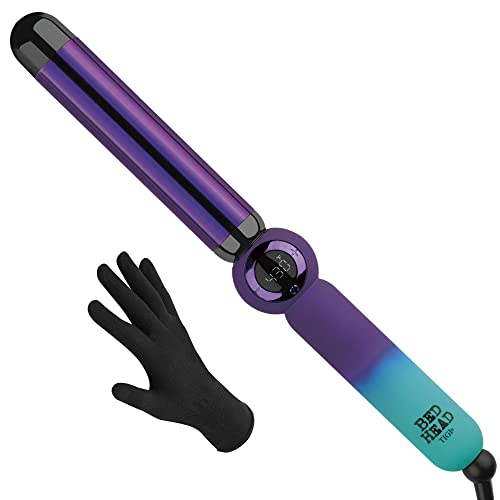
Bed Head Rough Volume 1.25-inch
1.25-inch clip-free barrel
THE EDITOR'S TAKE
The details that matter in daily use
For fine hair, the lower end of the temperature menu is more useful than a tool’s hottest setting. Barrel size also matters: a large loose bend and a tiny spiral create different styling commitments.
A CLOSER LOOK
The full product reviews
Our first pick
Conair OhSoKind One-Inch Wand
- Working format
- 1-inch barrel with cooler-tip design
- Controls
- Five settings from 266–375°F
The 266°F starting value is the reason to consider OhSoKind for fine strands. Begin on a small prepared piece and judge after cooling.
OhSoKind concentrates on a lower heat range and a tip area designed to run cooler. That makes it a more deliberate fine-hair option than selecting a high-power wand and hoping a short exposure compensates for limited heat choice.
Handling the working head
Choose one of the five settings before taking the end in the free hand. The 266–375°F range gives a deliberate lower starting choice, but the cooler-tip design does not make the neighboring heated surface a safe gripping area. Practice the wrap and release with the tool off so fingers remain at the intended position. Wait for the small first section to cool before deciding whether its shape needs a different setting.
Fine strands and lower-temperature control
The 266°F starting value is the reason to consider OhSoKind for fine strands. Begin on a small prepared piece and judge after cooling. The cooler-tip design supports positioning but does not make the rest of the barrel safe to grip.
The limitation to weigh
A cooler tip is still part of a hot tool; keep hands clear and avoid assuming the entire barrel has one temperature. The 375°F ceiling makes this a different range from high-maximum wands. Begin with the available lower choice rather than assuming fine hair needs a brief exposure to the highest setting.
What stands out
- 1-inch barrel with cooler-tip design
- Five settings from 266–375°F
The trade-offs
- A cooler tip is still part of a hot tool; keep hands clear and avoid assuming the entire barrel has one temperature.
Our verdict OhSoKind concentrates on a lower heat range and a tip area designed to run cooler.
Using it in your routine
Choose one of the five settings before taking the end in the free hand. The 266–375°F range gives a deliberate lower starting choice, but the cooler-tip design does not make the neighboring heated surface a safe gripping area.
Consider another option if: A cooler tip is still part of a hot tool; keep hands clear and avoid assuming the entire barrel has one temperature.
Pick 2
Remington Shine Therapy Tapered Wand
- Working format
- Half-to-one-inch tapered barrel
- Controls
- Ten settings from 250–410°F with temperature lock
Fine strands benefit from separating taper placement and heat choice. Use one wrap region first and lock the 250°F starting value where suitable.
The taper creates a tighter bend toward its narrow tip, so the wrapping position changes the shape. It is useful for mixing smaller pieces around the face with fuller bends through the lengths without changing attachments.
Handling the working head
The taper is widest near the handle and narrows toward the tip, so mark a consistent wrapping region in your mind before collecting the section. If the hair slides down, release and reset rather than tightening the hand against the hot surface. Choose a low digital value and use the lock before repeating the movement. The glove belongs to safe handling as directed; it should not be used to squeeze the barrel to hold a slipping wrap.
Fine strands and lower-temperature control
Fine strands benefit from separating taper placement and heat choice. Use one wrap region first and lock the 250°F starting value where suitable. Deliberate shape changes can come later, without repeatedly heating the same delicate section while learning both variables.
The limitation to weigh
A tapered barrel needs controlled placement; moving the section along it changes the curl size. The ten-setting 250–410°F menu includes a lock, which is useful while grip changes around the handle. Check it before switching from a visible side section to the harder-to-see back.
What stands out
- Half-to-one-inch tapered barrel
- Ten settings from 250–410°F with temperature lock
The trade-offs
- A tapered barrel needs controlled placement; moving the section along it changes the curl size.
Our verdict The taper creates a tighter bend toward its narrow tip, so the wrapping position changes the shape.
Using it in your routine
The taper is widest near the handle and narrows toward the tip, so mark a consistent wrapping region in your mind before collecting the section. If the hair slides down, release and reset rather than tightening the hand against the hot surface.
Consider another option if: A tapered barrel needs controlled placement; moving the section along it changes the curl size.
Pick 3
Conair Double Ceramic One-Inch Wand
Learn a conservative dial position from the instructions before the full fine-hair routine. The straight shape removes taper placement, but the end still needs a safe free-hand grip.
The one-inch straight barrel is a practical middle ground for a repeated wave shape. Recessed controls help separate the gripping area from the heat selection, although you still need to verify the setting before beginning the back sections.
Handling the working head
With no clip, the hand holding the ends supplies the anchor. Practice placing that hand before switching on, and keep the last portion clear of the heated surface as directed. The straight cylinder gives the same diameter along its length, so consistent spacing is easier to repeat than taper placement. Its thirty dial positions still require learning an appropriate region; a numbered mark should not be treated as a known degree setting.
Fine strands and lower-temperature control
Learn a conservative dial position from the instructions before the full fine-hair routine. The straight shape removes taper placement, but the end still needs a safe free-hand grip. A weak wave should prompt a section-and-cooling check before a heat increase.
The limitation to weigh
No clamp means you must hold the ends away from the hot barrel. The recessed controls separate the setting area from the grip, but still check the dial before working behind the head. Remember a suitable numbered position instead of guessing a displayed degree value.
What stands out
- 1-inch clamp-free barrel
- 30 heat settings
The trade-offs
- No clamp means you must hold the ends away from the hot barrel.
Our verdict The one-inch straight barrel is a practical middle ground for a repeated wave shape.
Using it in your routine
With no clip, the hand holding the ends supplies the anchor. Practice placing that hand before switching on, and keep the last portion clear of the heated surface as directed.
Consider another option if: No clamp means you must hold the ends away from the hot barrel.
Pick 4
TYMO CURLPRO
- Working format
- Enclosed rotating curl chamber
- Controls
- Automatic curling direction
Use the automatic chamber only on a separated fine section that reaches the feed area cleanly. Fine strands do not need a large loaded handful.
The chamber turns the hair around a heated element, changing the hand movement from manual wrapping to controlled feeding. Small, completely detangled pieces matter because the mechanism cannot sort a knot before it rotates.
Handling the working head
The automatic shell changes loading more than it changes preparation. Keep the chosen piece separate from surrounding strands before feeding the entrance, and use the direction specified in the manual. A short piece that cannot reach that area should not be pulled taut to make it fit. If resistance appears, stop and release according to the instructions; the anti-tangle reverse feature is a response mechanism, not a reason to continue feeding more hair.
Fine strands and lower-temperature control
Use the automatic chamber only on a separated fine section that reaches the feed area cleanly. Fine strands do not need a large loaded handful. Stop on pulling and keep surrounding pieces outside the rotating path rather than relying on automatic reversal.
The limitation to weigh
Not a manual wand; very short pieces may not feed securely into the chamber. Keep nearby clips and loose strands away from the loading entrance. The rotating chamber needs an isolated piece; an automatic direction does not separate surrounding hair before the mechanism begins.
What stands out
- Enclosed rotating curl chamber
- Automatic curling direction
The trade-offs
- Not a manual wand; very short pieces may not feed securely into the chamber.
Our verdict The chamber turns the hair around a heated element, changing the hand movement from manual wrapping to controlled feeding.
Using it in your routine
The automatic shell changes loading more than it changes preparation. Keep the chosen piece separate from surrounding strands before feeding the entrance, and use the direction specified in the manual.
Consider another option if: Not a manual wand; very short pieces may not feed securely into the chamber.
Pick 5
WEEYUM Three-Eighths-Inch Curling Iron
- Working format
- 0.375-inch small barrel
- Controls
- Seven settings from 270–450°F with LCD
The 270°F starting option pairs low-end control with a very tight barrel shape. Choose it when tiny curls are the goal, not simply because the tool is small.
The narrow barrel gives short pieces room to wrap into a tighter shape. It is useful when a standard one-inch wand leaves too little length to work with, but a tiny diameter changes the finish toward compact curls.
Handling the working head
The LCD makes the selected value visible, while the narrow three-eighths-inch diameter makes the shape compact. Begin from the low end when appropriate and load a narrow prepared piece rather than treating the tiny cylinder as a broad coverage tool. Align the tips before wrapping and release without tugging the roots. The seven-setting menu and 270°F minimum are useful distinctions from a small barrel with no established adjustment range.
Fine strands and lower-temperature control
The 270°F starting option pairs low-end control with a very tight barrel shape. Choose it when tiny curls are the goal, not simply because the tool is small. A fine section that needs only broad movement may prefer a different diameter.
The limitation to weigh
A small barrel produces tight ringlets rather than broad waves; use its adjustable heat deliberately. A270–450°F menu covers more heat choices than the tight shape alone suggests. Separate the diameter decision from temperature: tiny ringlets are not evidence that the strand needs the hottest value.
What stands out
- 0.375-inch small barrel
- Seven settings from 270–450°F with LCD
The trade-offs
- A small barrel produces tight ringlets rather than broad waves; use its adjustable heat deliberately.
Our verdict The narrow barrel gives short pieces room to wrap into a tighter shape.
Using it in your routine
The LCD makes the selected value visible, while the narrow three-eighths-inch diameter makes the shape compact. Begin from the low end when appropriate and load a narrow prepared piece rather than treating the tiny cylinder as a broad coverage tool.
Consider another option if: A small barrel produces tight ringlets rather than broad waves; use its adjustable heat deliberately.
Pick 6
Bed Head Rough Volume 1.25-inch
This broad cylinder needs enough fine-hair length for a comfortable turn. Choose a conservative digital setting and avoid tightening the roots to make shorter layers reach.
The larger straight barrel favors fuller bends when the section has enough length to wrap around it. Digital heat selection and a supplied glove add practical control, while the lack of a clamp keeps the wrapping direction in your hands.
Handling the working head
Use the ten-setting menu before taking the end in your free hand, then place a broad separated wrap along the straight 1.25-inch surface. Leave the tips outside the wrap where the relaxed-wave instructions call for it. The included glove is an aid to accidental-contact handling rather than a grip for the barrel. If a short layer cannot make a comfortable turn, exclude it from the broad wrap instead of pulling it tighter.
Fine strands and lower-temperature control
This broad cylinder needs enough fine-hair length for a comfortable turn. Choose a conservative digital setting and avoid tightening the roots to make shorter layers reach. Judge the cooled bend before deciding that a fuller shape needs more heat.
The limitation to weigh
Short pieces may not make a useful turn around this larger barrel. The supplied glove can help with accidental contact as directed. Keep its intended use separate from sustained gripping: the broad hot cylinder should not be squeezed to stop a sliding wrap.
What stands out
- 1.25-inch clip-free barrel
- Ten digital heat settings
The trade-offs
- Short pieces may not make a useful turn around this larger barrel.
Our verdict The larger straight barrel favors fuller bends when the section has enough length to wrap around it.
Using it in your routine
Use the ten-setting menu before taking the end in your free hand, then place a broad separated wrap along the straight 1.25-inch surface. Leave the tips outside the wrap where the relaxed-wave instructions call for it.
Consider another option if: Short pieces may not make a useful turn around this larger barrel.
EVERYDAY DETAILS
What matters in everyday use
For this review, we prioritized fine strands and lower-temperature control. Manufacturer performance promises are treated as claims; the purchase judgments focus on the documented design and how it fits the routine.
Low starting heat
A usable lower setting and clear controls
Preparation
The thinner ends may need less exposure than the healthier lengths. Choose a tool that lets you reduce the setting instead of relying on faster hand movements around a fixed-hot barrel.
Product photographs: Amazon. Certain content that appears on this site comes from Amazon. This content is provided “as is” and is subject to change or removal at any time.
A workable section comes first
The thinner ends may need less exposure than the healthier lengths. Choose a tool that lets you reduce the setting instead of relying on faster hand movements around a fixed-hot barrel.
GOOD TO KNOW
Questions about this styling routine
Why does the starting temperature matter for fine strands?
A lower starting choice lets the routine begin conservatively. Compare the actual minimum rather than treating every adjustable wand as equally useful at the low end.
Bella Ross curates practical hairstyle ideas for everyday cuts, braids, color inspiration, and simple styling routines.
Our editorial policySTYLE IT YOUR WAY
A little styling inspiration
 Style inspiration
15 Long Haircuts for Every Face Type
A photo-first guide to long haircuts for every face type, with concise image-specific notes and practical comparison points.
 Style inspiration
24+ Ideas for Long Hair
A photo-first guide to ideas for long hair, with concise image-specific notes and practical comparison points.
 Style inspiration
29+ Curly Hairstyles for Various Occasions
A photo-first guide to curly hairstyles for various occasions, with concise image-specific notes and practical comparison points.